

4.9/5 Star Rated on Google
Texas Golden Irrigation eliminates standing water problems through strategic surface drainage solutions for residential properties across the region. Our installation teams position catch basins, area drains, and collection systems that capture runoff before pooling occurs. Call (972) 214-5860 today to resolve your property’s water accumulation challenges.
Surface collection systems intercept water flowing across yards, driveways, and hardscape areas before accumulation creates hazardous conditions or property damage. These point-source drains utilize grated inlets connected to underground discharge pipes routing collected water toward appropriate outlets. Installation requires careful positioning based on natural drainage patterns, low-point identification, and discharge location availability.
Our crews evaluate site topography, excavate collection points, install drain bodies with appropriate grating, and connect outlet piping directing water away from problem areas toward designated discharge zones.
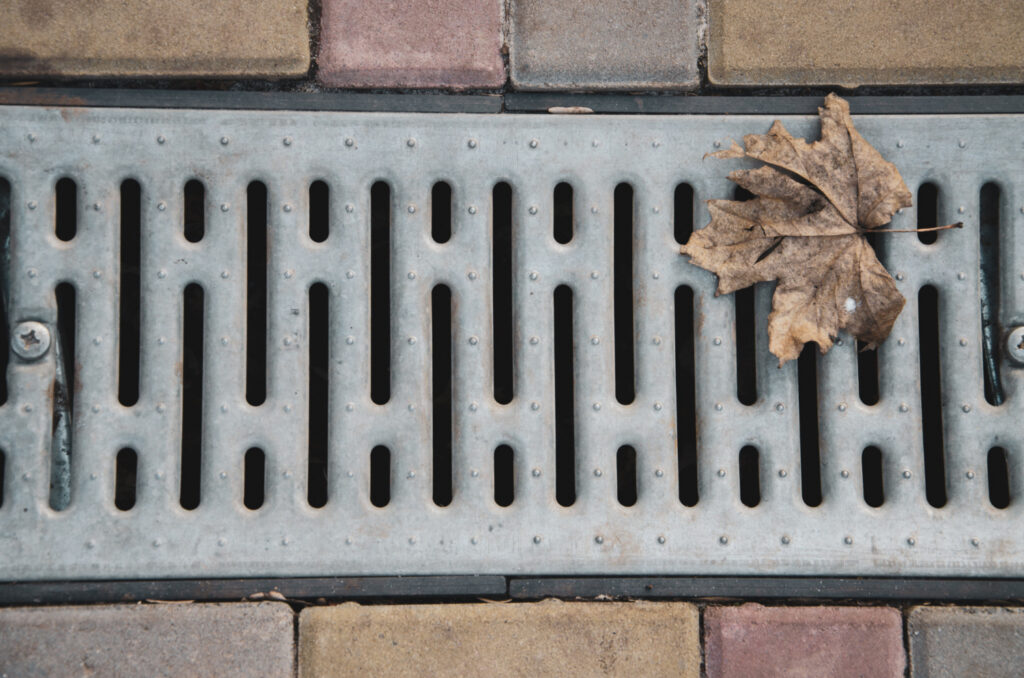
Homeowners throughout the area encounter persistent water pooling in low lawn areas, alongside foundations, and near hardscape transitions where grading deficiencies create collection points. Surface drains positioned at these strategic locations capture runoff before soil saturation occurs. Installation projects typically incorporate multiple collection points connected to common discharge lines when properties exhibit several problem zones.
Our approach coordinates surface drain placement with existing landscape features, underground utilities, and architectural elements minimizing visual impact while maximizing drainage effectiveness. Grate selection balances open area for water entry against debris passage and aesthetic considerations appropriate for residential settings.
Hardscape areas experience concentrated water flow from adjacent surfaces and roof runoff requiring interception before reaching garage entrances or building foundations. Surface drains positioned at low points along driveways prevent water intrusion into structures while eliminating ice formation hazards during winter months.
Patio installations place drains at strategic locations preventing water accumulation that damages outdoor furniture and creates slipping dangers. Our design calculations verify drain capacity handles anticipated flow volumes from contributing areas. Installation includes proper slope establishment directing water toward collection points and outlet pipe sizing adequate for peak discharge demands.
Comprehensive drainage design extends beyond product selection to encompass hydraulic analysis verifying adequate system capacity for site-specific conditions. Effective planning evaluates watershed characteristics, runoff coefficients, and discharge options before specifying installation parameters. Our engineering process documents existing topography, identifies problem sources, and develops solutions integrating with overall site water management strategies.
Determining optimal drain locations requires understanding natural water flow patterns and identifying low spots where accumulation occurs. Topographic survey data reveals subtle grade variations affecting runoff concentration. Our site evaluation process observes existing drainage patterns during rainfall events when practical, documenting problem areas requiring intervention.
Collection point spacing accounts for grate capture capacity, with closer intervals needed for areas experiencing sheet flow across broad surfaces. Strategic positioning intercepts water before reaching vulnerable areas while minimizing drain quantity reducing installation costs.
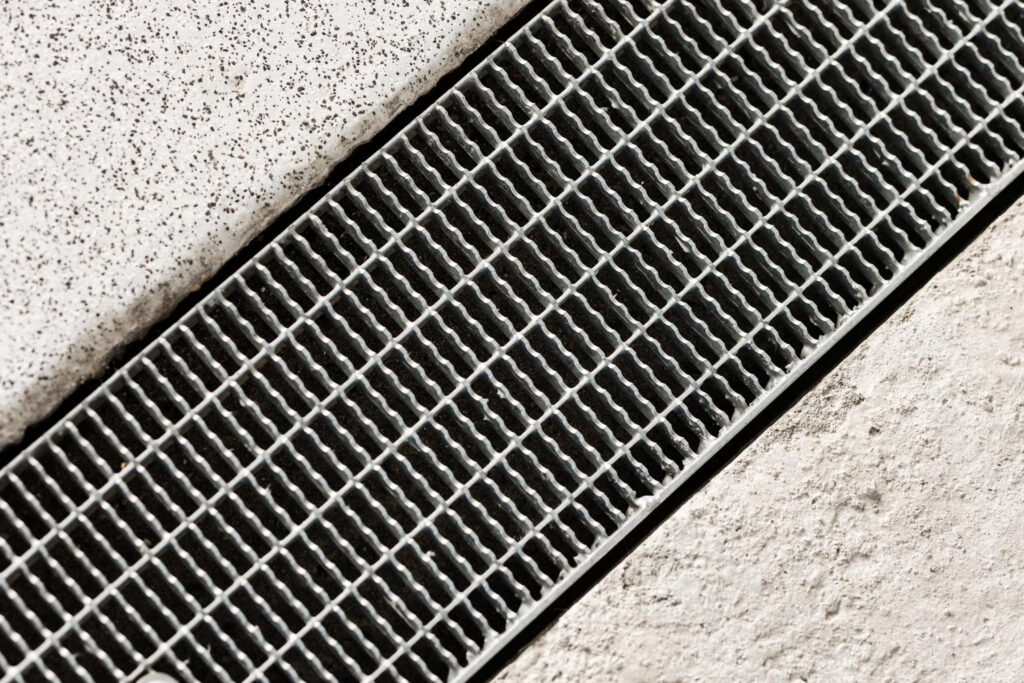
Cover designs serve functional and aesthetic purposes requiring specification matching intended applications. Load ratings ensure grates withstand expected traffic types from pedestrian use through heavy vehicle loads. Open area percentages affect water entry capacity and debris passage influencing maintenance frequency.
Material options include cast iron, galvanized steel, and composite products offering distinct advantages for specific environments. Decorative patterns integrate drains with surrounding hardscape while maintaining adequate hydraulic performance. Our selection process balances functional requirements against budget constraints and aesthetic preferences.
Effective surface drain systems terminate at appropriate discharge locations accepting collected volumes without creating secondary problems. Connection methods include direct ties to storm sewers, surface discharge to vegetated swales, or interface with underground retention systems. Outlet configurations require erosion protection, proper grade establishment, and accessibility for maintenance operations. \
Our planning verifies discharge point adequacy and secures necessary easements or permits for off-site connections. Some installations incorporate sediment traps or filtration devices addressing water quality concerns before municipal system discharge.
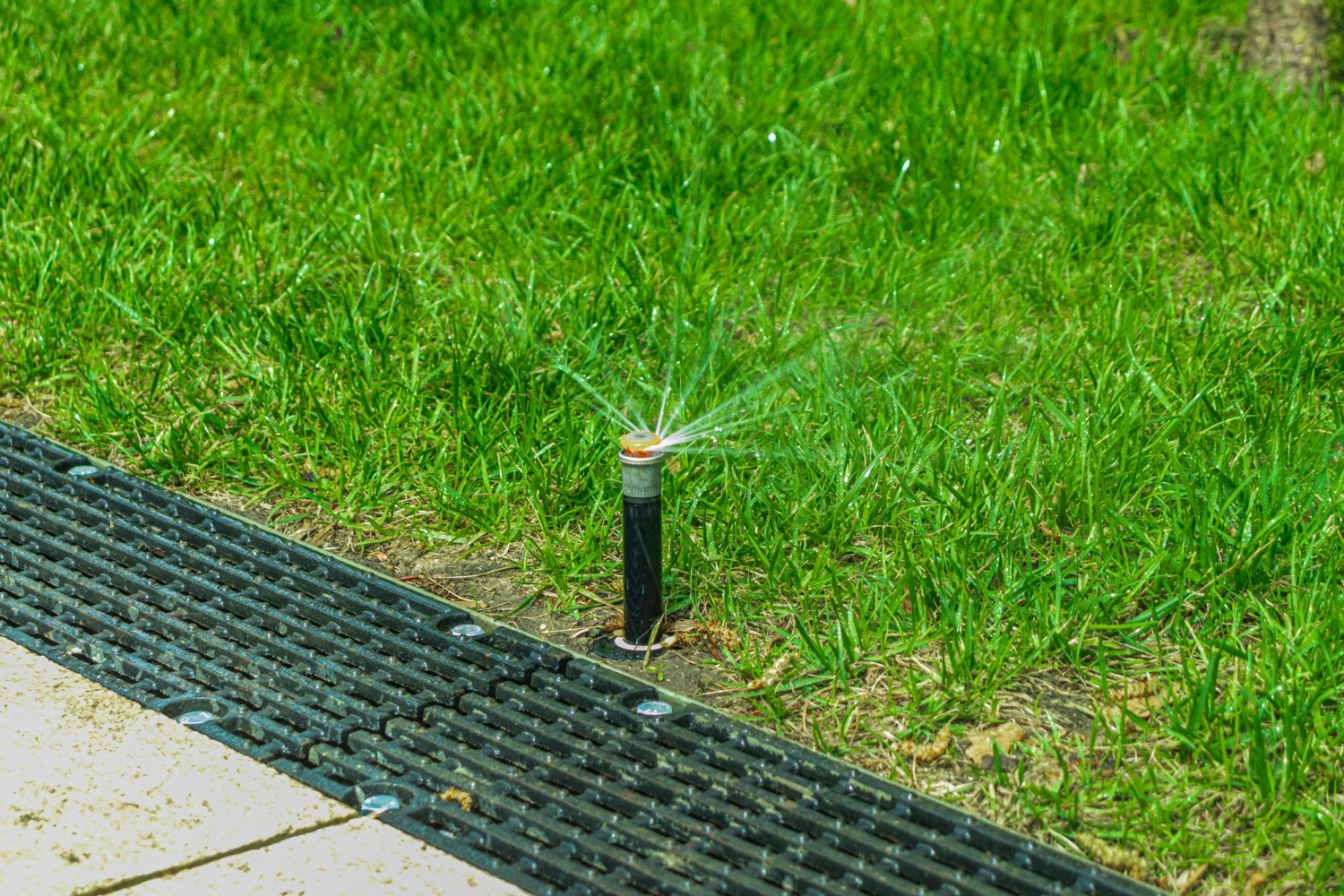
Selecting experienced contractors determines whether drainage solutions function as designed or require modifications addressing installation shortcomings. Our company brings specialized knowledge, quality materials, and proven installation methods to every project. Proper execution prevents common failures including inadequate capacity, improper slope, and premature grate deterioration. Here are four factors that distinguish our approach:
Our installation capabilities extend beyond surface drains to include comprehensive water management solutions protecting property investments and enhancing outdoor functionality. These services often coordinate with drainage projects to deliver integrated systems. Here are the additional offerings available:
Texas Golden Irrigation operates across numerous municipalities in the area, bringing consistent installation quality and drainage expertise to both urban and suburban properties. Our service radius encompasses the following communities:
Property owners struggling with persistent water pooling in yards, driveways, or hardscape areas should evaluate surface drainage systems as effective solutions for runoff management. Our consultation process includes thorough site assessment, hydraulic calculations, and detailed proposals outlining installation scope and project timelines. Contact Texas Golden Irrigation at (972) 214-5860 to schedule your property evaluation and resolve drainage issues now.
Standard residential applications utilize six-inch or nine-inch diameter drain bodies with four-inch outlet connections handling typical yard and driveway runoff volumes. Larger drains become necessary for areas receiving concentrated flow from extensive hardscape surfaces or multiple roof downspouts converging at single collection points.
Drain body placement typically positions grate surfaces flush with surrounding grade, requiring excavation extending 12 to 18 inches below surface depending on drain height and outlet pipe depth requirements. Additional depth proves necessary when discharge lines must pass beneath obstacles or achieve adequate slope toward outlet points.
Additional collection points integrate readily with established discharge infrastructure through connection to existing outlet pipes or storm sewer access. Retrofit installations require locating underground utilities and verifying adequate capacity in existing discharge systems before adding collection points that increase total flow volumes.
Regular debris removal from grate openings prevents blockages reducing water entry capacity. Periodic flushing of drain bodies and outlet pipes eliminates accumulated sediment that gradually restricts flow. Most residential installations require cleaning quarterly or following major storms depositing substantial debris across properties.
Surface drains collect water flowing across ground level through grated inlets, while French drains address subsurface moisture through perforated pipes surrounded by gravel. The surface approach handles runoff that cannot infiltrate due to soil saturation or impervious surfaces, whereas subsurface systems resolve groundwater and soil moisture problems.
Overflow typically indicates undersized drain bodies or outlet pipes inadequate for actual flow volumes, clogged grates restricting water entry, or inadequate outlet slope preventing water discharge at rates matching collection. Professional evaluation determines whether capacity upgrades, cleaning, or grade corrections resolve overflow problems.