

4.9/5 Star Rated on Google
Texas Golden Irrigation provides basement and crawl space flood protection through professional sump pump systems for residential properties across the region. Our licensed technicians install submersible and pedestal pumps with backup systems ensuring continuous operation during power outages. Call (972) 214-5860 now to safeguard your property from water damage.
Water removal systems protect below-grade spaces from flooding through automatic detection and discharge of accumulated moisture. These assemblies utilize basin collection, float-activated pumps, and discharge piping routing water away from structures to appropriate outlets. Installation requires proper basin sizing, pump selection matching anticipated water volumes, and discharge line configuration preventing backflow or freeze damage.
Our crews handle complete system installation from basin excavation through final testing verifying reliable operation under actual field conditions.
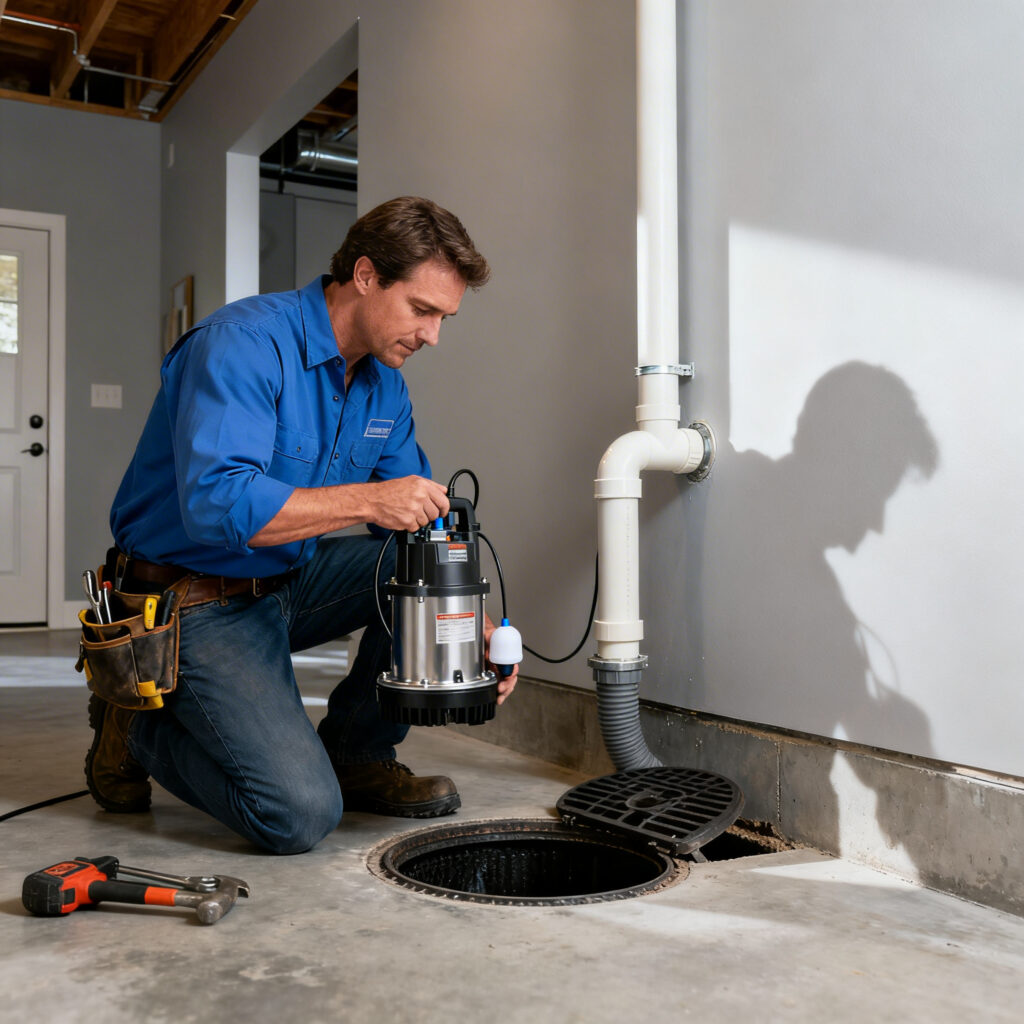
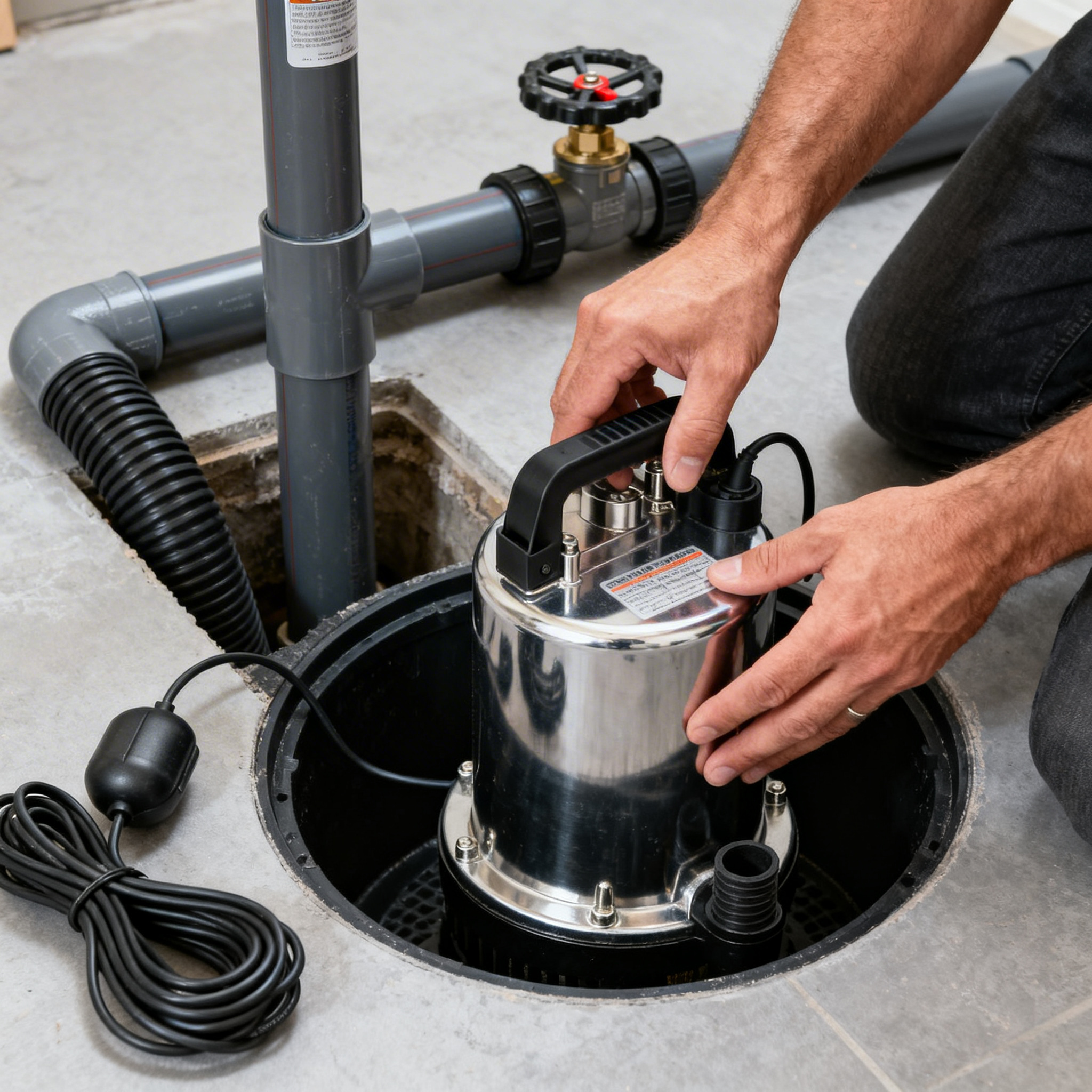
Homeowners throughout the area facing groundwater intrusion, foundation seepage, or below-grade moisture problems invest in sump systems preventing flooding and property damage. Residential installations position collection basins at lowest basement points where water naturally accumulates. Pump specifications account for vertical lift requirements, discharge distance, and expected flow volumes based on basement dimensions and water table characteristics.
Our approach incorporates check valves preventing backflow, alarm systems warning of pump failures, and proper electrical connections meeting code requirements. Installation includes discharge line routing to daylight outlets, storm sewers, or designated surface discharge areas preventing water return toward foundations.
Properties with ventilated or conditioned crawl spaces benefit from sump installations eliminating standing water that promotes mold growth, structural deterioration, and pest infestations. Crawl space applications often involve restricted access requiring specialized installation techniques and compact equipment. Basin placement accounts for beam locations, utility routing, and adequate pump service access.
Our installations coordinate with vapor barriers, dehumidification systems, and perimeter drainage creating comprehensive moisture control. Discharge planning addresses unique challenges including limited fall for gravity drainage and freeze protection for above-grade piping sections.
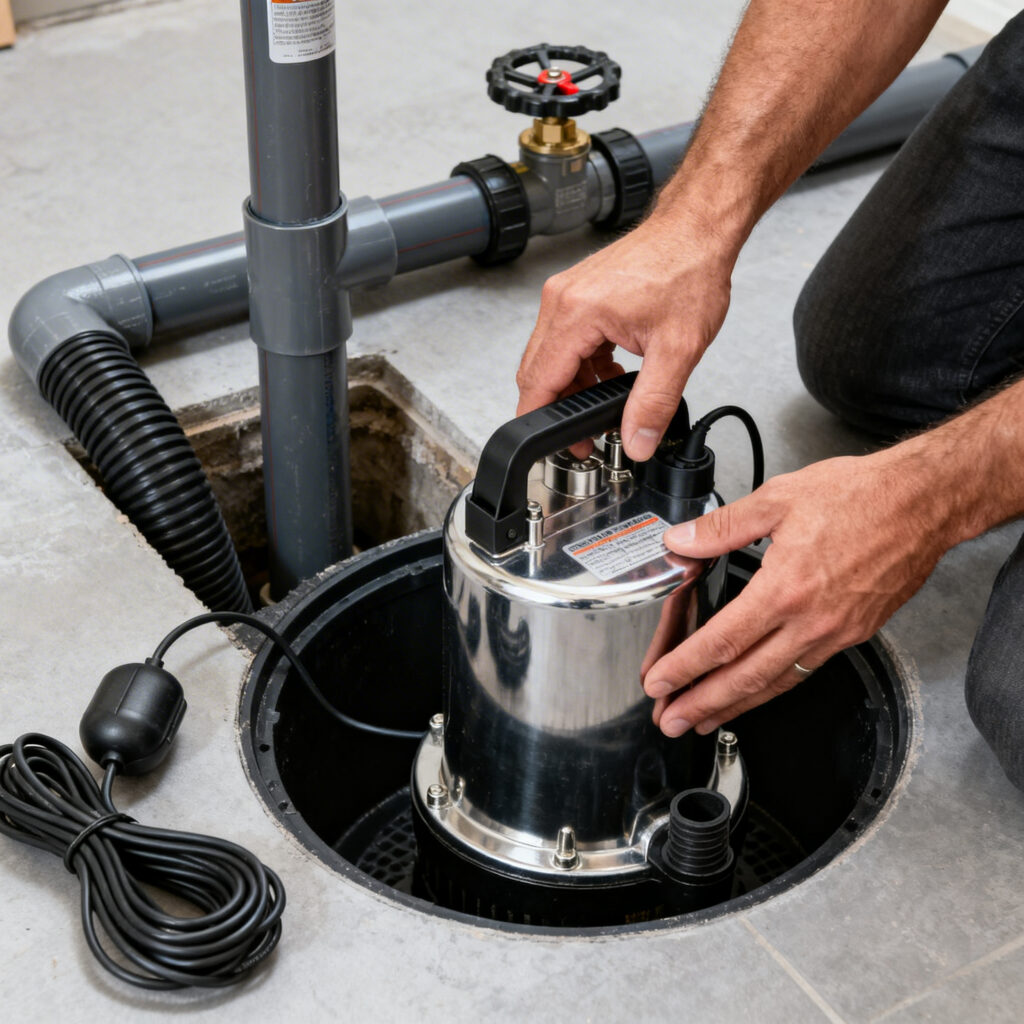
Comprehensive flood protection extends beyond equipment selection to encompass proper system sizing, discharge planning, and backup provisions. Effective design evaluates water sources, accumulation rates, and discharge constraints before specifying installation parameters. Our engineering approach documents site conditions, calculates system requirements, and develops solutions providing reliable protection throughout system service lives.
Determining appropriate basin dimensions and pump capacities requires analysis of expected water inflow rates, cycle frequency considerations, and vertical lift requirements. Undersized basins cause excessive pump cycling, reducing equipment life, while oversized installations waste resources without performance benefits.
Pump horsepower selection balances adequate capacity against electrical consumption and initial equipment costs. Submersible designs offer quieter operation and simplified installation compared to pedestal configurations providing superior serviceability. Our specification process matches equipment to actual site demands rather than applying generic solutions inappropriate for specific conditions.
Effective water removal requires discharge piping adequately sized for pump output with proper slope maintaining flow velocity and outlet locations accepting discharged volumes. Rigid PVC schedule 40 pipe represents standard material choice for buried applications, while flexible corrugated pipe suits installations with routing constraints.
Check valve placement near pumps prevents backflow that causes false cycling and wasted energy. Discharge outlets require erosion protection and positioning preventing water return toward structures. Our planning addresses freeze protection requirements through burial depth, insulation provisions, or heated cable installation where exposed piping proves unavoidable.
Power outages during severe weather events occur precisely when sump pumps face highest demand protecting properties from flooding. Battery backup systems provide temporary operation continuing water removal until utility restoration. Water-powered backup pumps utilize municipal supply pressure for operation independent from electrical service.
Dual pump configurations offer redundancy through alternating primary units with automatic secondary activation upon primary failure. Our installations incorporate appropriate backup solutions matching client requirements and budget parameters. Battery systems receive maintenance instruction ensuring reliability when needed.
Selecting qualified contractors determines whether flood protection systems function reliably or fail when most needed. Our company maintains plumbing licenses, electrical certifications, and proven installation methods supporting dependable operation. Technical expertise prevents common failures while ensuring code compliance and warranty protection. Here are four factors that distinguish our installations:
Our capabilities extend beyond sump pump installation to include comprehensive water management solutions protecting property investments and enhancing outdoor functionality. These services often coordinate with flood protection projects to deliver integrated systems. Here are the additional offerings available:
Texas Golden Irrigation operates across numerous municipalities in the area, bringing consistent installation quality and drainage expertise to both urban and suburban properties. Our service radius encompasses the following communities:
Property owners facing basement moisture, groundwater intrusion, or below-grade flooding should invest in professional sump pump systems before water damage occurs. Our consultation process includes thorough site assessment, system sizing calculations, and detailed proposals outlining equipment specifications, installation procedures, and backup options. Contact Texas Golden Irrigation at (972) 214-5860 to schedule your property evaluation and install reliable flood protection today.
Standard residential applications utilize one-third to one-half horsepower pumps handling typical groundwater intrusion volumes. Larger basements, higher water tables, or properties experiencing rapid water accumulation during storms may require three-quarter horsepower or greater capacity. Proper sizing calculations account for vertical lift, discharge distance, and expected inflow rates.
Quality pumps function reliably for seven to ten years under normal operating conditions with minimal maintenance beyond periodic testing and basin cleaning. Annual service includes operation verification, float mechanism inspection, and discharge line examination. Battery backup systems require replacement every three to five years maintaining emergency operation capability.
Discharge outlets should position at least ten feet from foundation walls directing water toward natural drainage patterns or storm sewer connections. Adequate downward slope prevents standing water in discharge lines. Surface discharge requires erosion protection and consideration of winter ice formation hazards. Some jurisdictions prohibit certain discharge methods requiring verification of local regulations.
Retrofit installations add flood protection to properties experiencing moisture problems or preventive homeowners seeking protection before problems develop. Installation involves basin excavation at appropriate locations, concrete floor cutting for basin access, pump assembly, and discharge line routing. Most retrofit projects complete within one day for standard residential applications.
Continuous operation typically indicates inadequate pump capacity for water inflow rates, malfunctioning check valves allowing backflow, or discharge line restrictions preventing adequate water removal. Frequent cycling suggests undersized basin capacity, improperly adjusted float switches, or incoming water rates approaching pump capacity. Professional diagnosis identifies specific causes guiding appropriate corrections.
Pumps require dedicated circuits preventing operation interruption from tripped breakers serving other loads. GFCI protection proves mandatory for moisture-exposed electrical equipment. Proper grounding and conductor sizing ensure safe operation meeting electrical codes. Backup systems need appropriate battery charging circuits or water supply connections depending on backup type selected.