
4.9/5 Star Rated on Google
Texas Golden Irrigation delivers complete turf establishment solutions for residential and commercial properties across the region. Our installation teams handle site preparation, soil conditioning, and precise sod placement creating instant lawn coverage with professional results. Call (972) 214-5860 today to transform your bare soil into a lush, established lawn.
Sodding provides immediate lawn coverage eliminating the extended germination periods required for seeded alternatives. These harvested turf sections contain mature root systems and established blade growth ready for transplantation to prepared sites. Installation success depends on proper soil preparation, timely placement, and adequate moisture during root establishment phases.
Our crews handle complete project execution from site evaluation through post-installation care instructions ensuring successful turf adaptation to new growing environments.
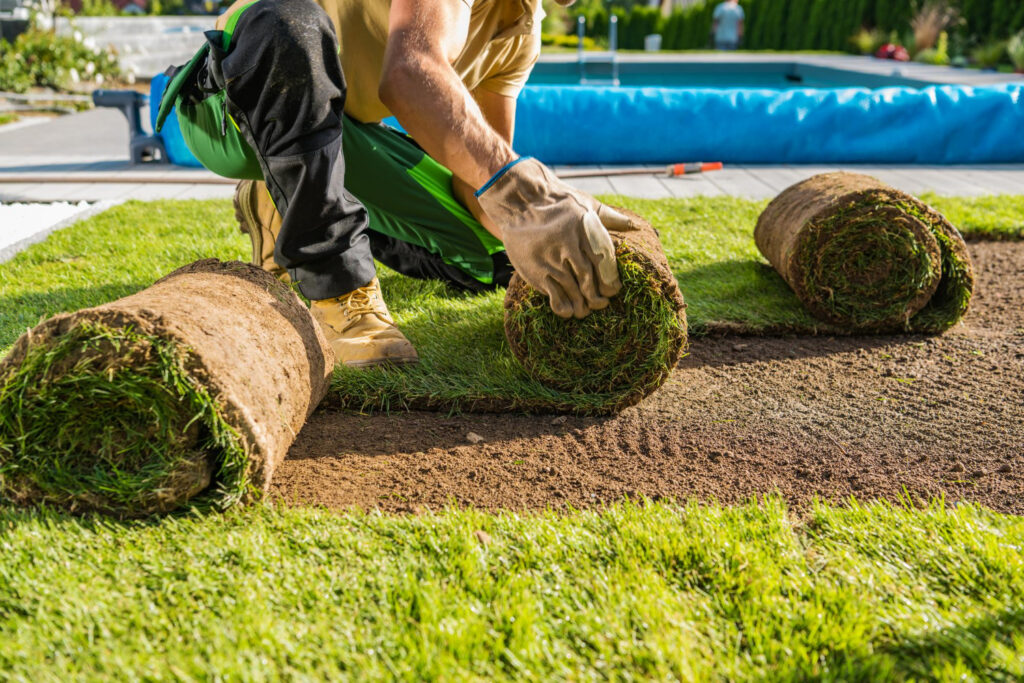
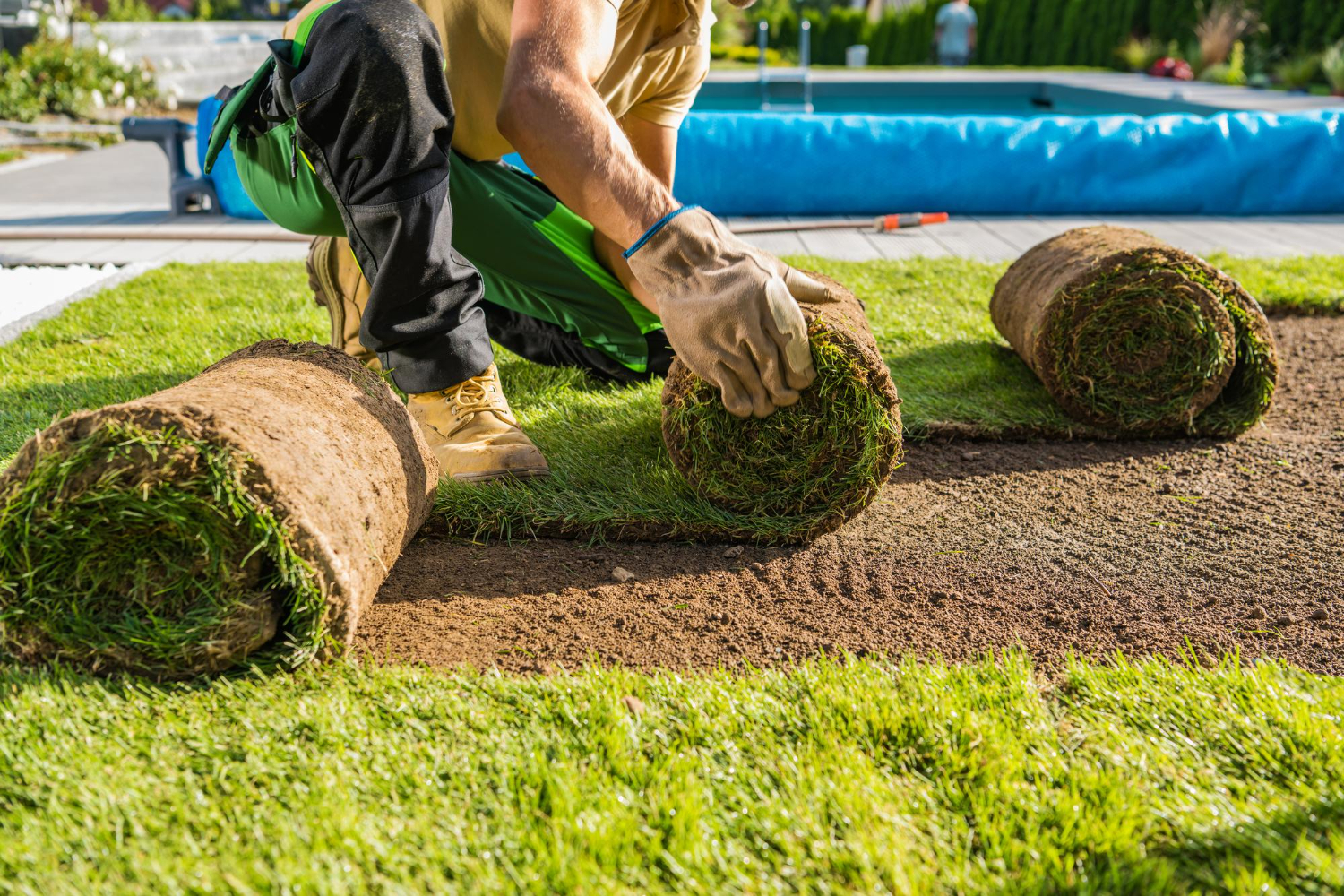
Homeowners throughout the area choose sodding for new construction properties, renovation of failed lawns, and rapid establishment of functional outdoor spaces. Installation projects address front yards requiring immediate curb appeal, backyard play areas needing durable surfaces, and side yards connecting landscape features. Turf variety selection considers sun exposure, traffic patterns, and maintenance preferences specific to each property.
Our preparation process includes debris removal, rough grading corrections, soil amendment based on testing results, and final grade smoothing before sod placement. Installation crews lay sections in staggered patterns eliminating visible seams while ensuring complete soil contact promoting rapid root penetration.
Business facilities, apartment complexes, and municipal properties require durable lawn coverage supporting higher traffic volumes and intensive use patterns. Commercial installations often involve larger square footage demanding efficient logistics coordinating delivery timing with crew availability. Turf specifications emphasize wear tolerance, recuperative ability, and visual consistency across expansive areas.
Site preparation for commercial projects addresses compaction issues common in developed properties through deep tillage and organic matter incorporation. Our installation approach sequences work zones minimizing disruption to ongoing operations while delivering professional results meeting property management standards.
Sports facilities, parks, and school grounds benefit from specialized turf varieties bred for athletic performance and rapid recovery from intensive use. These applications demand precise grade control ensuring proper drainage and eliminating surface irregularities affecting play quality. Installation timing coordinates with seasonal use schedules allowing adequate establishment before field activation.
Specialized soil preparation includes drainage system installation, rootzone material placement, and nutrient balancing supporting vigorous turf growth. Our experience with athletic installations ensures compliance with governing body specifications and user safety requirements.
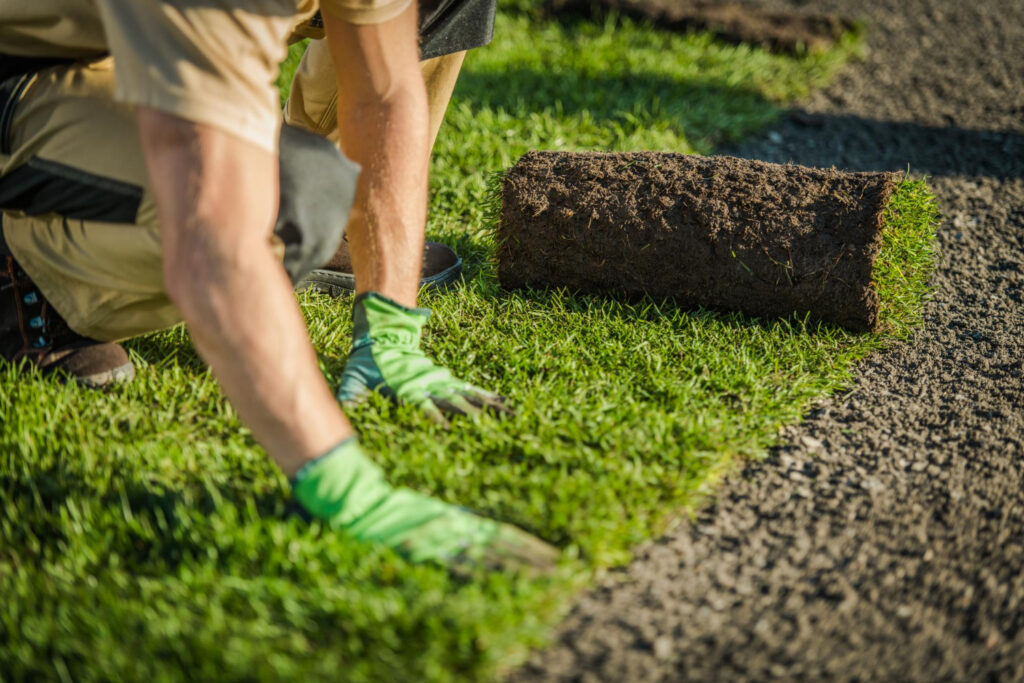
Successful turf establishment extends beyond surface placement to encompass foundation work determining long-term lawn health and performance. Comprehensive preparation addresses soil deficiencies, drainage problems, and grade irregularities before introducing expensive sod materials. Our systematic approach follows proven protocols maximizing establishment success rates while minimizing future maintenance challenges.
Proper foundation development begins with existing vegetation removal, debris clearing, and rough grade establishment directing water away from structures. Soil testing identifies pH imbalances, nutrient deficiencies, and texture problems requiring amendment before sod placement. Clay soils receive organic matter incorporation improving aeration and root penetration capacity.
Sandy soils benefit from compost addition, increasing water retention and nutrient availability. Final grade preparation utilizes laser leveling technology eliminating low spots where water accumulation stresses turf. Our preparation standards create uniform surfaces promoting even growth and simplified maintenance throughout lawn life.
Matching appropriate grass species to site conditions and use requirements determines installation success and owner satisfaction. Warm-season varieties including Bermuda grass, St. Augustine, and Zoysia grass dominate regional landscapes due to heat tolerance and summer performance. Shade tolerance varies significantly among species, with St. Augustine exhibiting superior performance under tree canopies compared to sun-demanding Bermuda grass.
Traffic tolerance considerations guide selections for high-use areas, with hybrid Bermuda varieties offering exceptional wear resistance. Our consultation process evaluates site characteristics against variety strengths helping clients make informed decisions supporting long-term landscape objectives.
Coordinating delivery scheduling with crew availability ensures fresh sod placement within critical timeframes preventing material deterioration. Warm-season grass installation proceeds optimally during active growing seasons when root establishment occurs rapidly. Spring and early summer timing allows full establishment before winter dormancy.
Fall installations provide adequate growing periods before cold weather while avoiding peak summer stress. Our project management coordinates material orders, site preparation completion, and installation crew deployment ensuring seamless execution. Same-day placement of harvested turf maximizes establishment success compared to delayed installation allowing material degradation.
Selecting experienced contractors separates successful installations providing lasting lawn coverage from problematic projects requiring expensive corrections or complete replacement. Our company maintains quality material sources, skilled installation crews, and proven preparation methods supporting superior establishment rates. Attention to critical details during preparation and placement phases prevents common failures plaguing inadequate installations. Here are four factors that distinguish our service:
Our capabilities extend beyond sod installation to include comprehensive landscape and water management solutions enhancing property value and outdoor functionality. These services often coordinate with turf projects to deliver integrated results. Here are the additional offerings available:
Texas Golden Irrigation operates across numerous municipalities in the area, bringing consistent installation quality and turf expertise to both urban and suburban properties. Our service radius encompasses the following communities:
Property owners seeking immediate lawn establishment without extended seeding timelines should evaluate professional sod installation as a proven solution delivering instant results. Our consultation process includes site assessment, variety recommendations, and detailed proposals outlining preparation requirements, installation procedures, and care protocols. Contact Texas Golden Irrigation at (972) 214-5860 to schedule your property evaluation and establish beautiful turf coverage now.
Light foot traffic becomes acceptable after two to three weeks once initial root establishment occurs. Full use including recreational activities should wait four to six weeks allowing complete root penetration into underlying soil. Premature heavy use damages developing root systems compromising establishment success.
Initial establishment demands frequent light watering maintaining consistent moisture without saturation, typically twice daily for the first two weeks. Gradual transition to deeper, less frequent watering encourages root depth development. Most installations achieve irrigation independence within four to six weeks depending on weather conditions and variety characteristics.
Initial mowing proceeds once turf height exceeds recommended maintenance levels for specific varieties, typically two to three weeks after installation. Sharp mower blades prevent tearing partially rooted grass. Gradual height reduction over several mowing cycles avoids stress from excessive single-cut removal.
Summer installation succeeds with increased attention to moisture management and material handling procedures. Early morning placement before peak temperatures and immediate irrigation following installation prove critical. Some varieties exhibit superior summer establishment compared to others, guiding species selection for warm-season projects.
Sodding requires higher initial investment than seeded lawns due to material costs, labor intensity, and immediate coverage benefits. However, elimination of extended establishment periods, reduced failure rates, and instant erosion control often justify premium pricing for property owners valuing rapid results and establishment certainty.
Common problems include inadequate watering, poor soil contact, compacted underlying soil preventing root penetration, and material quality issues from improper harvesting or handling. Our installation process addresses these potential failure points through proper preparation, quality material sourcing, and comprehensive care instruction.