

4.9/5 Star Rated on Google
Texas Golden Irrigation provides comprehensive subsurface drainage solutions for residential and commercial properties throughout the region. Our installation teams resolve standing water problems, protect foundation integrity, and redirect groundwater away from structures using engineered trench systems. Call (972) 214-5860 now to eliminate your property’s drainage challenges permanently.
French drains utilize gravel-filled trenches containing perforated pipe that collects and redirects subsurface water away from problem areas. These systems address moisture issues that surface drainage cannot resolve, including high water tables, soil saturation, and foundation seepage. Installation requires strategic placement based on groundwater flow patterns, soil permeability, and discharge location availability.
Our crews excavate trenches to appropriate depths, establish proper slope gradients, install perforated pipe surrounded by graded stone, and wrap systems with filter fabric preventing soil infiltration that causes premature failure.
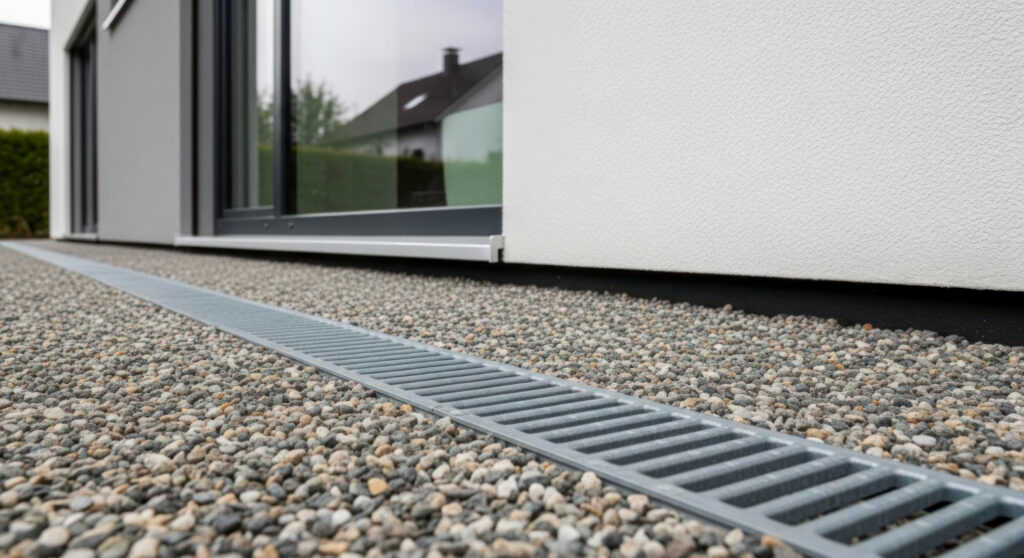
Homeowners across the area face foundation problems stemming from inadequate subsurface oil drainage during initial construction. Water accumulation against basement walls and slab perimeters creates hydrostatic pressure leading to cracks, seepage, and structural movement. French drain systems positioned along foundation perimeters intercept groundwater before reaching vulnerable areas. Installation depth extends below footing levels to capture water at its source.
Collected moisture routes to daylight discharge points, sump pump systems, or connection with municipal storm sewers. Our approach coordinates with existing landscape features, utility locations, and property grades to minimize site disruption while achieving effective moisture control.
Properties experiencing persistent wet areas, soggy lawn sections, and pooling water during rainfall benefit from interior French drain installations. These systems collect excess moisture from problem zones and convey it toward appropriate discharge locations. Trench placement follows natural drainage patterns and low-lying areas where water naturally accumulates.
Installation depth varies according to saturation levels and root zone considerations for existing vegetation. Our designs incorporate multiple collection points when properties exhibit widespread drainage deficiencies across different areas. System capacity calculations account for soil infiltration rates, contributing watershed size, and design storm parameters.
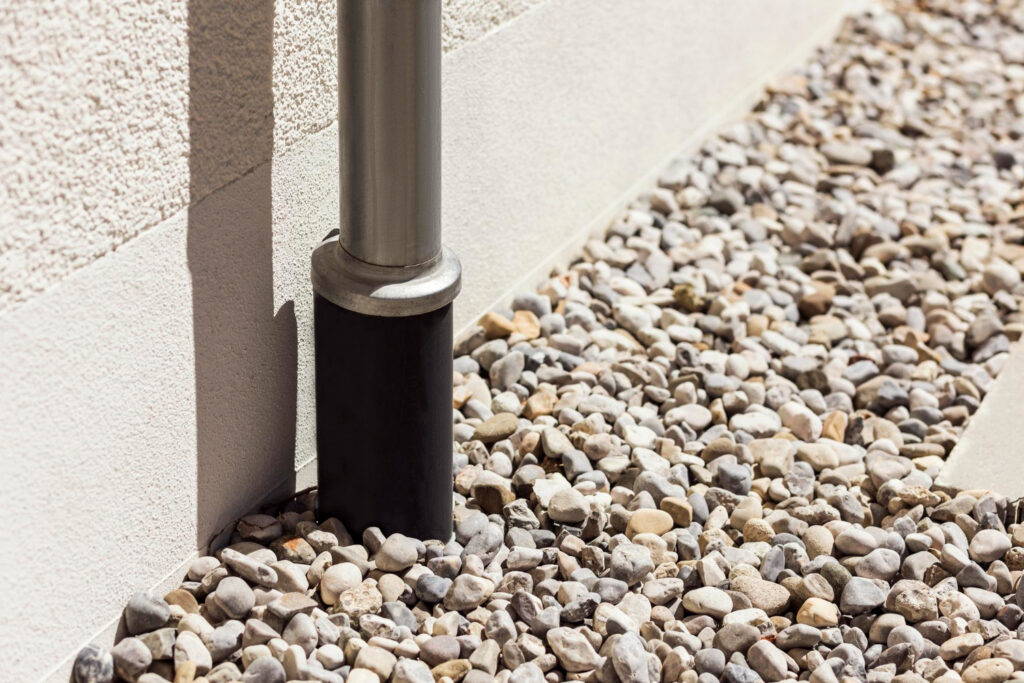
Comprehensive drainage planning extends beyond trench excavation to encompass hydraulic analysis verifying adequate system capacity and proper outlet configurations. Effective design evaluates soil characteristics, groundwater conditions, and discharge options before specifying installation parameters. Our engineering approach documents site topography, identifies moisture sources, and develops solutions integrating with overall property water management strategies.
Determining appropriate trench dimensions and stone specifications requires understanding native soil characteristics affecting water transmission rates. Clay soils with low permeability need wider trenches and coarser stone gradations to achieve adequate drainage capacity. Sandy soils allow narrower installations while maintaining effective performance.
Percolation testing measures infiltration rates that guide system sizing calculations. Our assessment process evaluates soil layering conditions that might include restrictive horizons impeding vertical drainage. Design modifications address site-specific constraints discovered through investigation rather than relying on generic installation templates.
Collection pipe specifications balance flow capacity requirements against installation constraints and budget considerations. Perforated corrugated polyethylene pipe represents the standard choice for residential applications due to flexibility, durability, and cost effectiveness. Smooth-wall PVC pipe suits installations requiring precise slope control or connection to rigid drainage infrastructure.
Pipe diameter selection accounts for anticipated flow volumes, with four-inch sizes handling typical residential applications and six-inch or larger pipes serving commercial projects. Perforation patterns vary between full-circumference and partial-wrap configurations depending on groundwater source locations and installation depth.
Effective French drain systems terminate at appropriate discharge locations capable of accepting collected water without creating secondary problems. Daylight outlets route water to surface swales, vegetated areas, or detention basins where natural infiltration occurs. Mechanical discharge utilizes sump pumps conveying water to elevated discharge points when gravity drainage proves impractical.
Connection to municipal storm systems requires permit acquisition and backflow prevention measures. Our planning process verifies outlet adequacy and secures necessary approvals before installation commencement. Erosion protection at discharge points prevents soil washing and maintains long-term outlet functionality.
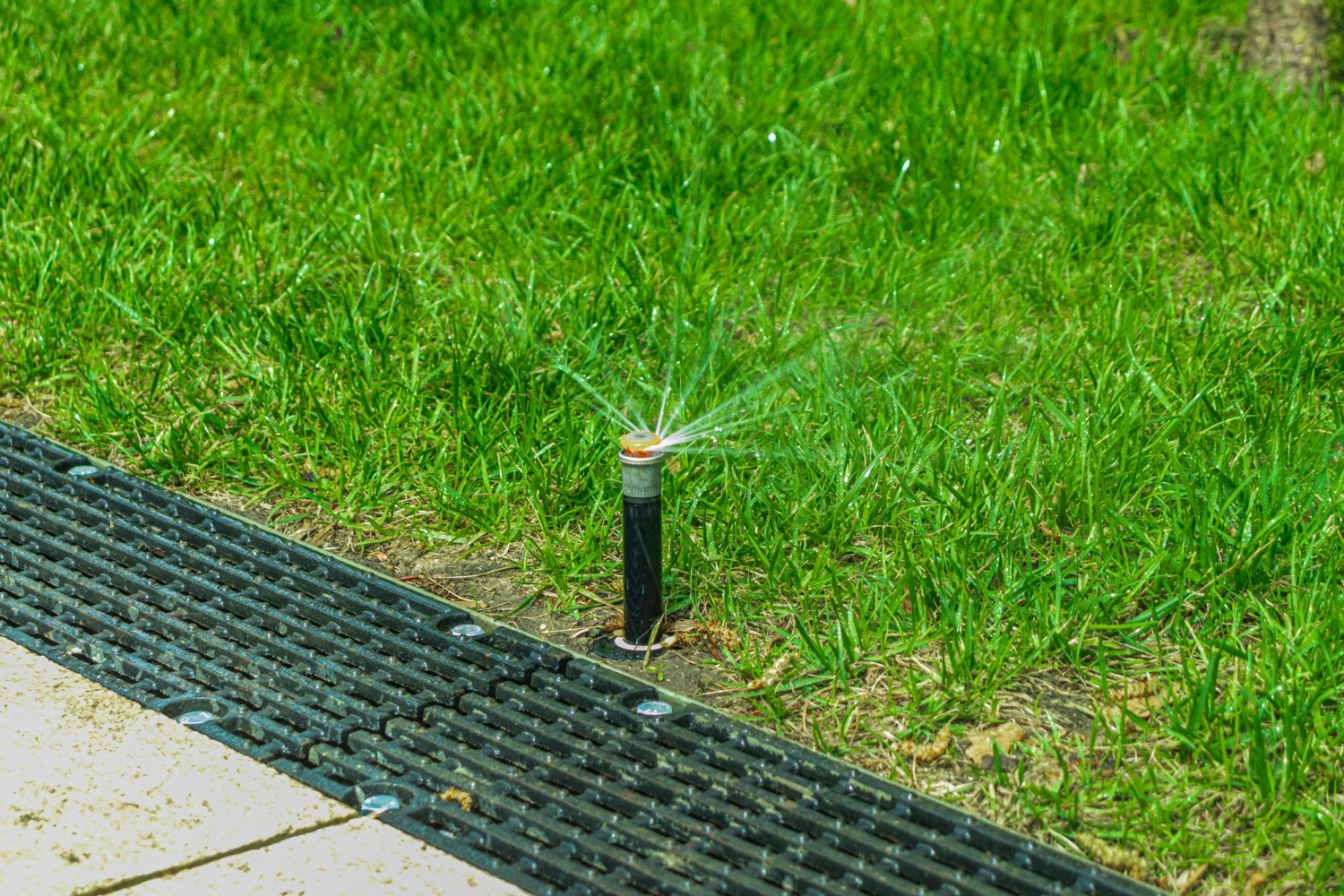
Selecting qualified contractors determines whether drainage investments resolve problems permanently or require repeated interventions addressing inadequate initial installations. Our company brings specialized equipment, technical knowledge, and proven installation methods to every project. Proper execution prevents common failures including inadequate slope, insufficient capacity, and premature clogging from design deficiencies. Here are four factors that set our installations apart:
Our installation capabilities extend beyond French drains to include comprehensive water management solutions that protect property investments and enhance outdoor functionality. These services often coordinate with drainage projects to deliver integrated systems. Here are the additional offerings available:
Texas Golden Irrigation operates across numerous municipalities in the area, bringing consistent installation quality and drainage expertise to both urban and suburban properties. Our service radius encompasses the following communities:
Property owners struggling with foundation moisture, yard saturation, or persistent wet areas should evaluate French drain systems as permanent solutions for subsurface water management. Our consultation process includes thorough site assessment, soil analysis, and detailed proposals outlining installation scope, system specifications, and project timelines. Contact Texas Golden Irrigation at (972) 214-5860 to schedule your property evaluation and resolve drainage problems today.
Standard residential installations excavate trenches 18 to 24 inches deep to intercept groundwater below surface saturation zones. Foundation drainage systems extend deeper to reach below footing levels, typically 30 to 36 inches. Actual depth requirements vary according to water table elevation and problem severity.
French drains address subsurface moisture through underground collection systems, while surface drains handle runoff flowing across ground level. The subsurface approach resolves problems that surface drainage cannot affect, including soil saturation, foundation seepage, and high water tables requiring below-grade intervention.
Quality installations utilizing appropriate materials and correct construction methods typically function for 20 to 30 years before degradation necessitates replacement. Service life depends on soil characteristics, water quality, and filter fabric effectiveness preventing sediment infiltration that gradually clogs drainage systems.
Clay soils accommodate French drain installations through wider trench dimensions and coarser stone specifications that compensate for reduced permeability. Some situations benefit from additional drainage measures including surface water diversion preventing excessive moisture infiltration that overwhelms subsurface systems in low-permeability soils.
Properly constructed systems require minimal maintenance beyond periodic inspection of outlet points for obstructions and erosion damage. Surface cleanout access points allow flushing if flow reduction occurs, though quality installations with effective filter fabric rarely experience clogging during normal service lives.
Water removal rates depend on soil saturation levels and drainage system capacity. Most installations show visible improvement within 24 to 48 hours following significant rainfall, with complete soil drying occurring over several weeks as systems continuously extract accumulated groundwater from saturated zones.