
4.9/5 Star Rated on Google
Texas Golden Irrigation specializes in water-conserving drip systems for residential and commercial landscapes throughout the region. Our certified technicians design and install precision watering solutions that deliver moisture directly to plant root zones while reducing water consumption. Call (972) 214-5860 today to schedule your property evaluation and system design consultation.
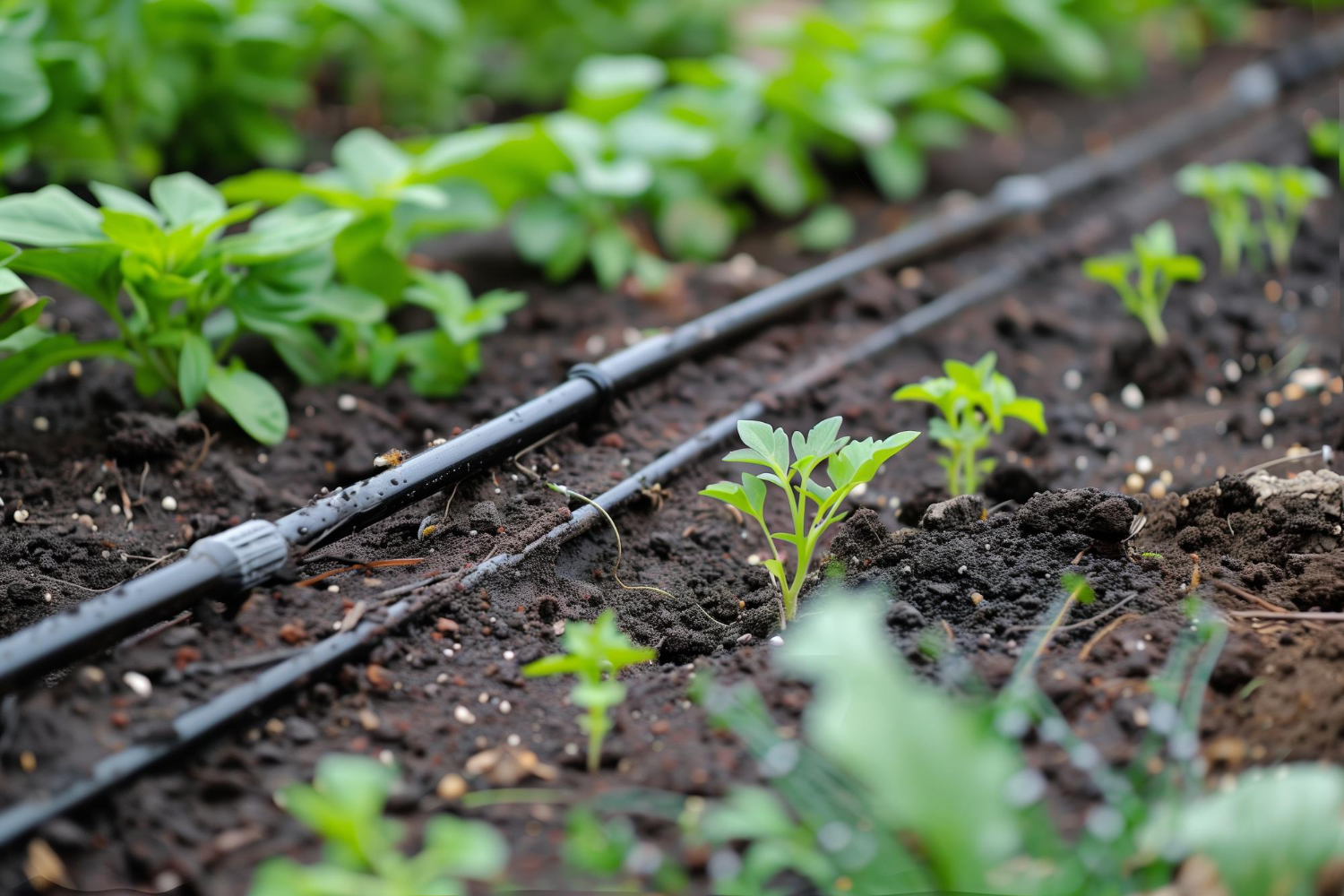
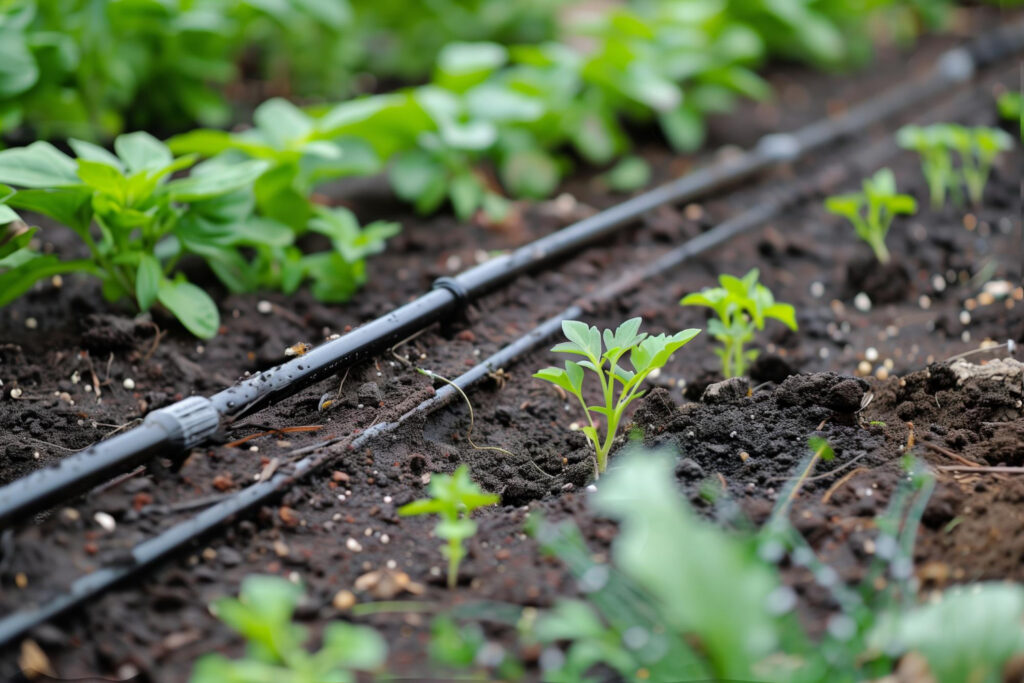
Drip watering technology provides targeted moisture delivery that eliminates overspray, reduces evaporation losses, and accommodates irregular planting areas unsuitable for traditional sprinkler coverage. These systems utilize networks of tubing, emitters, and pressure-regulating components that maintain consistent flow rates across varying terrain elevations.
Installation requires careful planning to match emitter spacing with plant water requirements and soil infiltration characteristics. Our crews handle complete system assembly from mainline connections through individual emitter placement, ensuring reliable operation and simplified maintenance access.
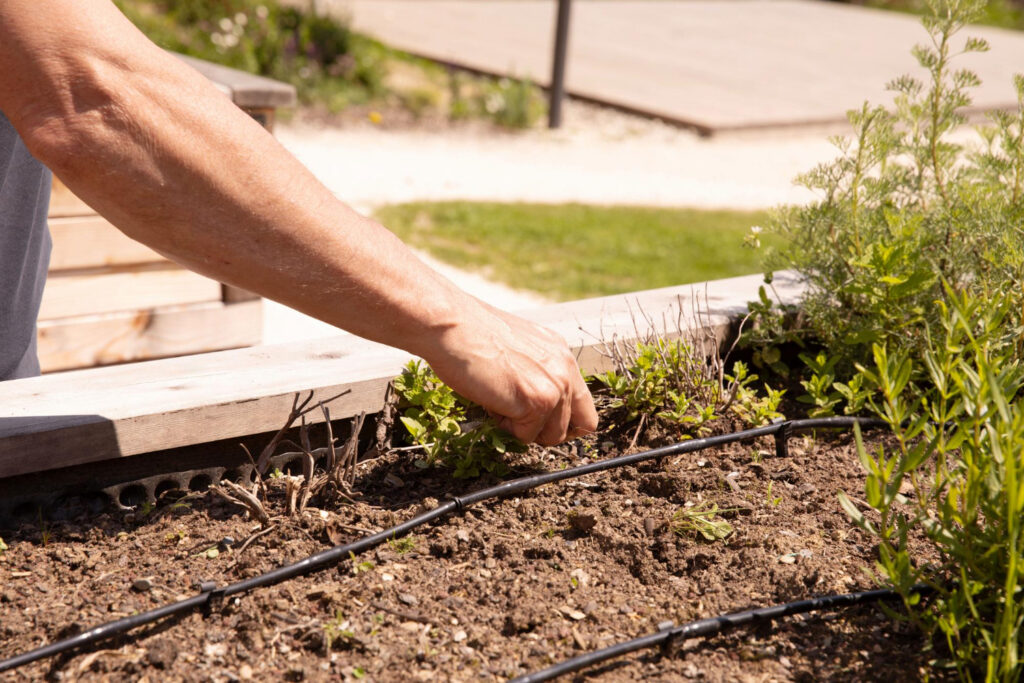
Homeowners across the area adopt drip irrigation for foundation plantings, vegetable gardens, container arrangements, and established landscape beds requiring efficient water management. System designs incorporate zoning strategies that group plants with similar moisture needs onto dedicated valve circuits. Emitter selection considers plant size, spacing, and growth projections to provide adequate coverage throughout establishment periods.
Installation typically positions supply tubing along planting rows with individual emitters or inline drippers spaced according to root zone dimensions. Above-ground configurations simplify seasonal adjustments, while buried installations protect components from mechanical damage and ultraviolet degradation.
Business properties, municipal facilities, and multi-family developments benefit from drip irrigation’s reduced water consumption and lower maintenance demands compared to conventional spray systems. Commercial installations often integrate with existing irrigation controllers and weather-based management platforms that optimize watering schedules.
Large-scale projects require hydraulic calculations verifying adequate pressure and flow throughout extensive tubing networks. Our design approach accommodates future expansion provisions and maintenance access requirements specified by property management operations. Installation crews coordinate with landscape contractors to sequence system placement with planting activities.
Comprehensive planning determines system performance, longevity, and water efficiency achievements. Proper design evaluates water source capacity, pressure availability, and distribution requirements across diverse landscape zones. Our engineering process documents site conditions, calculates hydraulic parameters, and specifies appropriate components for reliable long-term operation. Design deliverables include scaled drawings, parts lists, and installation instructions supporting accurate field implementation.
Determining tubing sizes, emitter spacing, and pressure compensation requirements involves detailed analysis of flow demands and friction losses throughout distribution networks. Design software models various configurations to optimize component selection against water delivery objectives.
Pressure-compensating emitters maintain consistent output across elevation changes and distance from supply sources. Flow requirements aggregate individual emitter outputs to verify mainline capacity and filtration sizing. Our calculations account for future expansion zones and seasonal plant water consumption variations affecting peak demand periods.
Matching emitter types to specific applications ensures adequate moisture coverage without waste from excessive application rates. Button drippers suit individual plant placement, while inline emitters simplify installation along planting rows. Flow rates range from half-gallon per hour for small shrubs through four gallons per hour for large trees and high-demand specimens.
Spacing calculations consider soil texture, with closer intervals required for sandy soils exhibiting limited lateral water movement. Adjustable drippers accommodate changing plant requirements as landscapes mature and root systems expand.
Preventing emitter clogging extends system life and maintains irrigation uniformity across all zones. Filtration requirements depend on water source characteristics, with well water typically containing higher sediment loads than municipal supplies. Screen filters remove particulate matter, while media filters address organic contamination and algae growth.
Chemical treatment programs control mineral precipitation and biological fouling in systems utilizing poor-quality water sources. Our installations position filters for convenient access during routine maintenance procedures while protecting components from freeze damage.
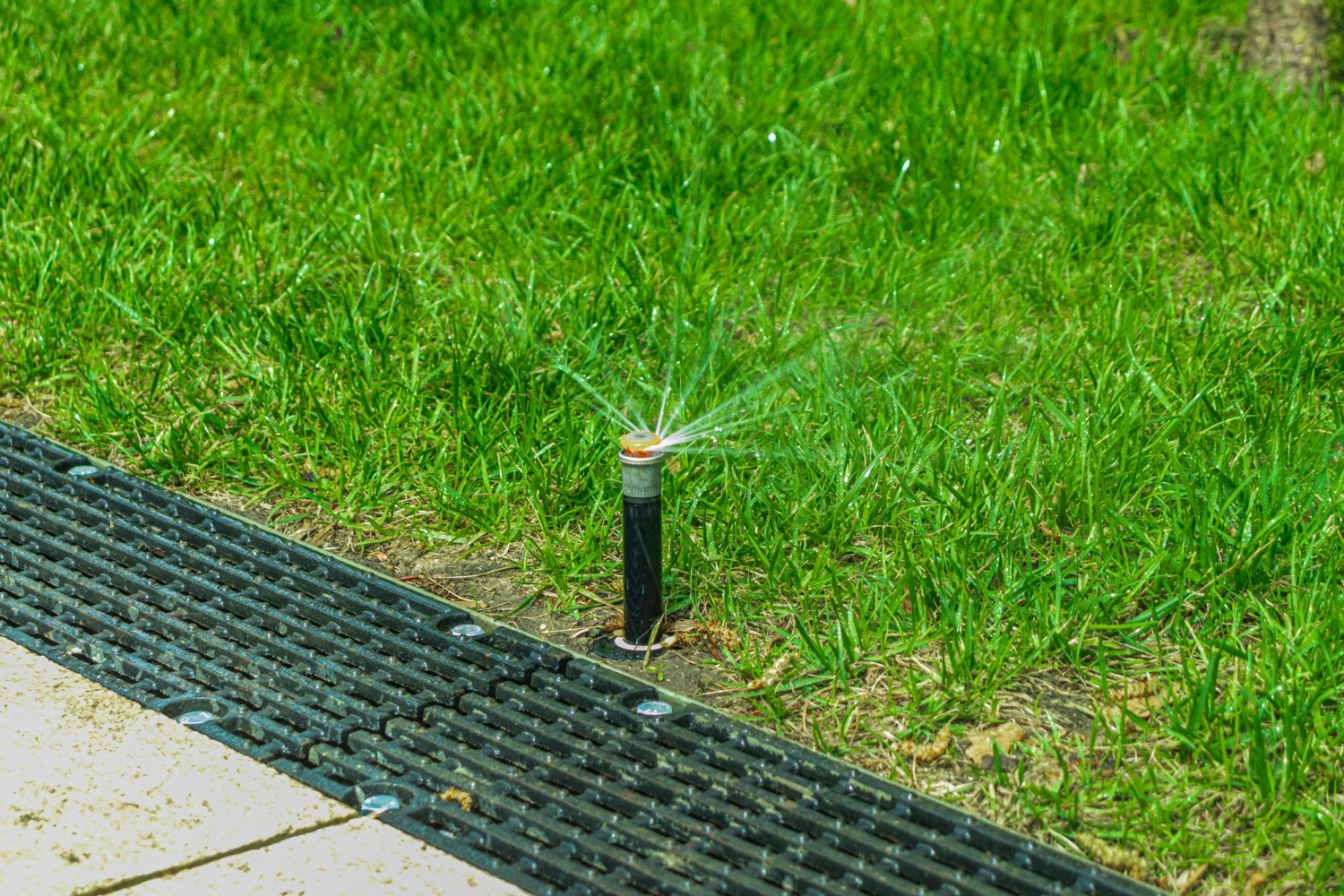
Selecting experienced contractors ensures irrigation investments deliver anticipated water savings and plant health benefits throughout system service lives. Our company maintains manufacturer certifications, technical expertise, and quality component sourcing that separate professional installations from basic assemblies. Design precision prevents common failures including inadequate coverage, pressure imbalances, and premature component deterioration. Here are four factors that distinguish our approach:
Our capabilities extend beyond drip irrigation to include comprehensive water management solutions that enhance property value and support sustainable landscape maintenance practices. These services often coordinate with irrigation projects to deliver integrated systems. Here are the additional offerings available:
Texas Golden Irrigation operates across numerous municipalities in the area, bringing consistent installation quality and irrigation expertise to both urban and suburban properties. Our service radius encompasses the following communities:
Property owners seeking water conservation solutions without compromising landscape health should evaluate drip irrigation as a proven alternative to traditional sprinkler systems. Our consultation process includes site assessment, water usage analysis, and detailed proposals outlining system design, component specifications, and installation timelines. Contact Texas Golden Irrigation at (972) 214-5860 to arrange your property evaluation and discover how precision irrigation can reduce water costs today.
Properly designed drip systems typically reduce water consumption by 30 to 50 percent through targeted delivery that eliminates overspray, wind drift, and evaporation losses common with spray irrigation. Actual savings vary according to plant types, soil conditions, and previous irrigation efficiency levels.
Retrofit installations thread supply tubing through established plantings with minimal disruption to root systems and ground covers. Surface placement allows immediate system activation, while burial options require selective excavation along tubing routes. Most residential conversions complete within one to two days.
Regular maintenance includes filter cleaning every four to eight weeks during active growing seasons, visual inspection of emitters for clogging or damage, and end-of-season flushing to remove accumulated sediment. Pressure checks verify proper system operation and identify potential leaks requiring repair.
Quality tubing and fittings function reliably for ten to fifteen years when protected from ultraviolet exposure and mechanical damage. Emitters may require replacement every five to seven years as internal passages accumulate mineral deposits or debris. Filtration components need periodic replacement according to manufacturer specifications.
Fertigation capabilities integrate readily into drip irrigation designs through injection systems that introduce water-soluble nutrients directly to plant root zones. This delivery method improves fertilizer efficiency while reducing labor costs associated with manual application. Proper injection equipment prevents backflow contamination of water supplies.
While drip technology excels for landscape beds, trees, and row plantings, traditional spray irrigation provides more practical coverage for turf areas requiring uniform moisture distribution. Some applications utilize drip tubing for establishment watering of new sod before transitioning to conventional sprinkler systems for ongoing maintenance.