
4.9/5 Star Rated on Google
Texas Golden Irrigation provides compliant backflow prevention device installation for residential and commercial properties across the region. Our licensed technicians handle assembly selection, placement, testing, and municipal documentation to protect potable water supplies from contamination hazards. Call (972) 214-5860 today to schedule your system evaluation and installation.
Water supply protection requires mechanical assemblies that prevent reverse flow conditions from introducing contaminants into municipal distribution systems. Installation specifications vary according to hazard classification, water pressure conditions, and local plumbing codes governing cross-connection control.
Our crews evaluate existing plumbing configurations to determine appropriate device types and placement locations that satisfy regulatory requirements. Each installation undergoes field testing to verify proper operation before returning systems to service.
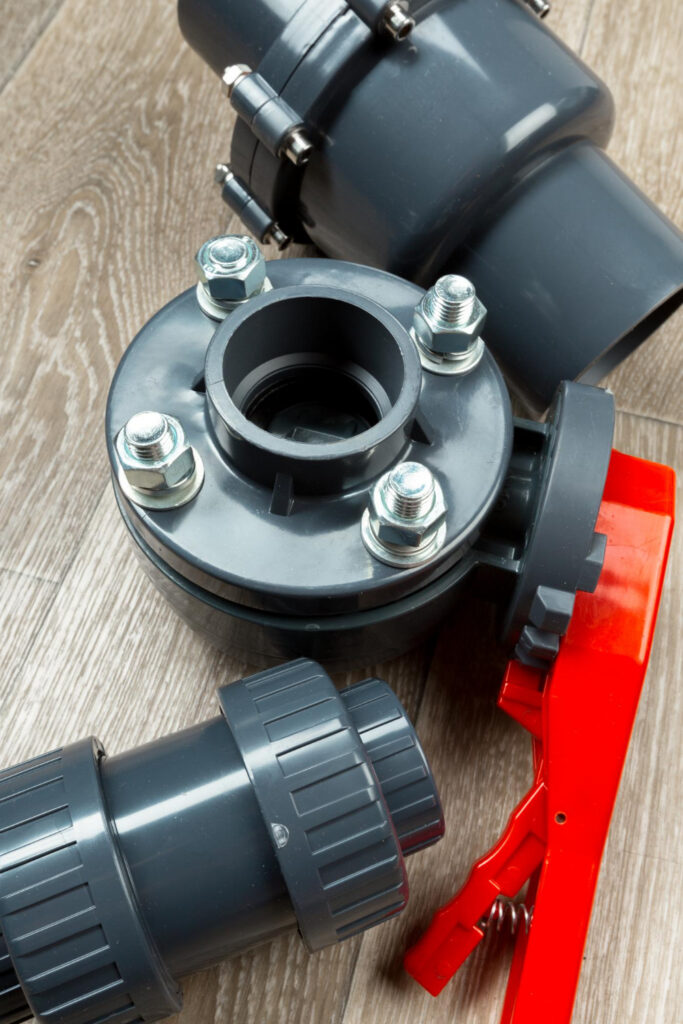
Homeowners throughout the area face installation requirements triggered by irrigation system additions, swimming pool equipment, or fire suppression connections. Reduced pressure zone assemblies and double check valve configurations represent the most common residential applications. Device selection depends on the degree of hazard classification assigned by water purveyors to specific property uses.
Installation typically positions assemblies above grade in accessible locations that facilitate annual testing and maintenance procedures. Our technicians coordinate with municipal inspectors to ensure compliance with local ordinances governing cross-connection control programs.
Business properties encounter more stringent protection requirements due to elevated contamination risks from industrial processes, food service operations, and chemical handling activities. Commercial installations often require multiple assemblies protecting separate plumbing zones within single facilities.
Device sizing calculations account for flow demand, pressure loss, and simultaneous use factors across complex distribution networks. Installation work incorporates provisions for freeze protection, vandal resistance, and testing port accessibility mandated by health department regulations.
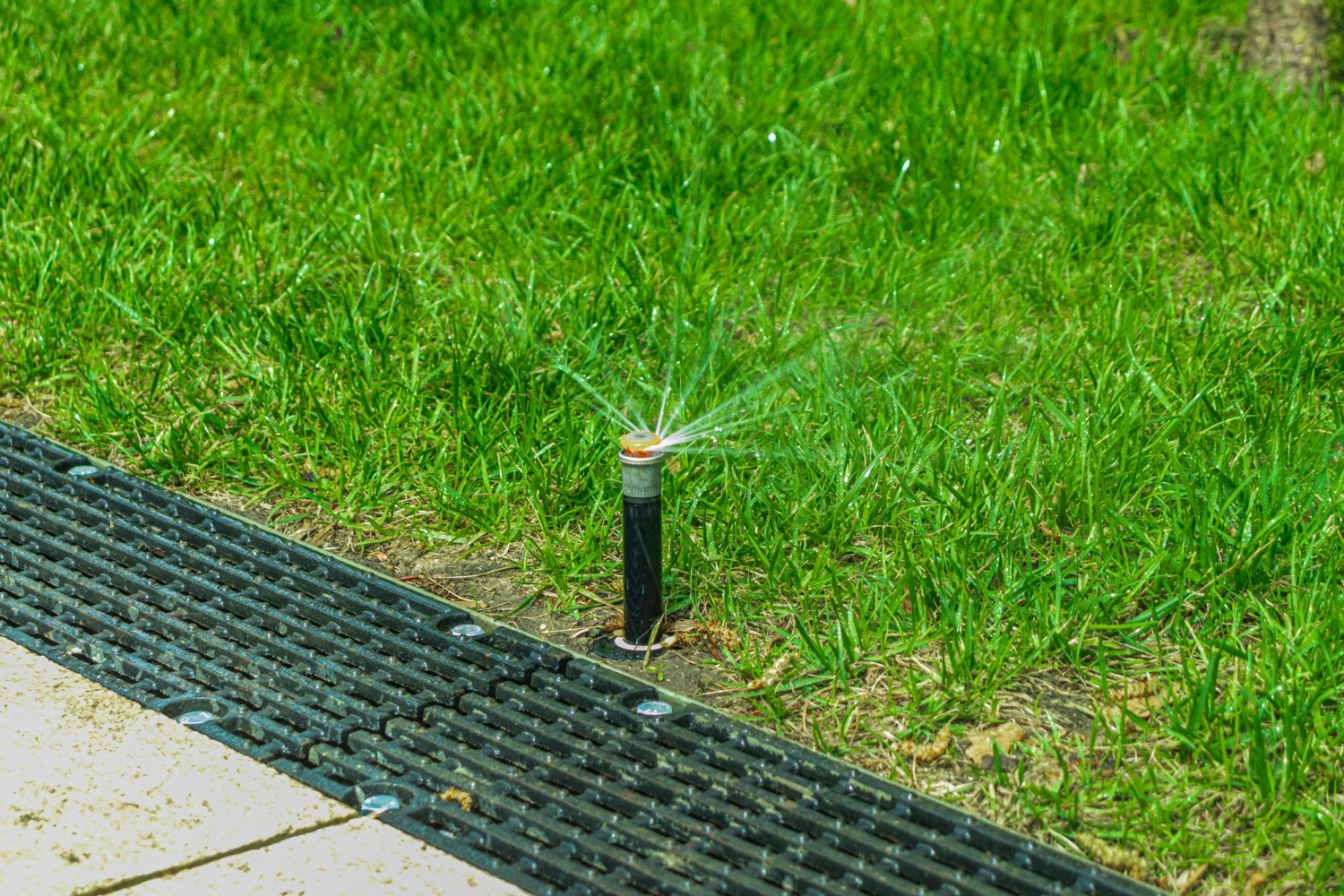
Landscape irrigation systems mandate backflow prevention due to direct soil contact and potential chemical injection through fertilizer systems. Most jurisdictions require reduced pressure principle assemblies for sprinkler applications regardless of residential or commercial classification.
Device placement must satisfy minimum clearance dimensions from grade, walls, and other obstructions while remaining accessible for annual certification testing. Our installation procedures include proper drainage provisions to prevent freeze damage during winter months when systems remain inactive.
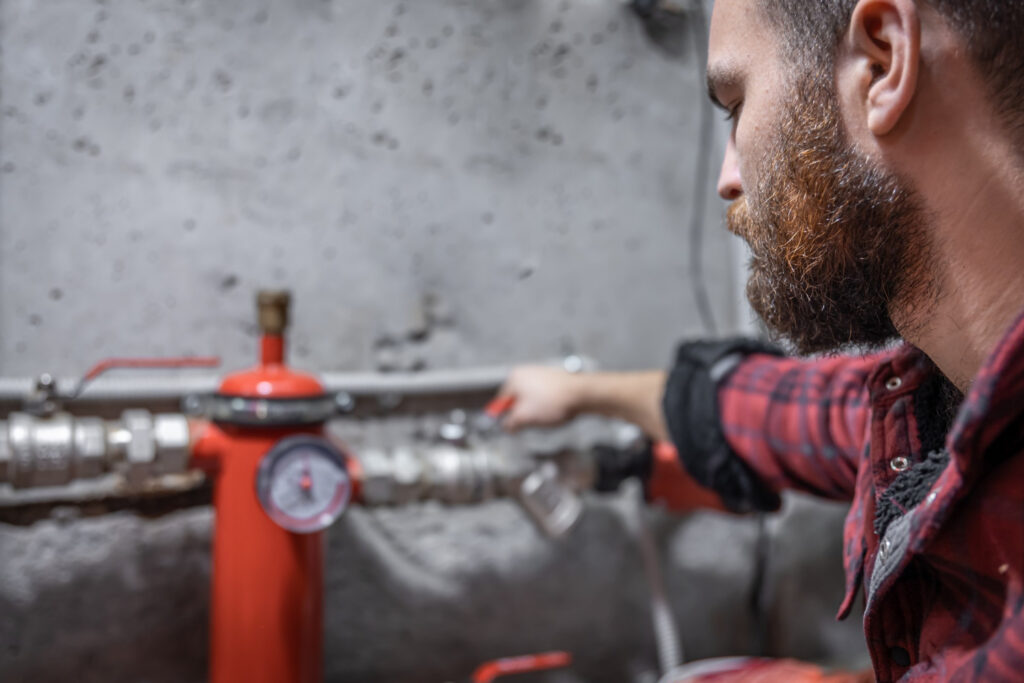
Comprehensive protection extends beyond device installation to encompass the hydraulic considerations that determine system performance and longevity. Proper design accounts for incoming water pressure, elevation changes, and pressure loss through the assembly to verify adequate delivery throughout downstream systems. Our planning process documents existing infrastructure, identifies potential hazards, and specifies appropriate protection levels.
Choosing the correct backflow prevention device requires analysis of several technical factors beyond basic hazard classification. Pressure loss through the assembly affects downstream performance, particularly for irrigation systems operating near minimum pressure thresholds. Flow capacity must accommodate peak demand without creating excessive velocity that accelerates component wear.
Material selection considers water quality characteristics, including hardness, chlorine content, and particulate levels that influence maintenance intervals. Environmental factors such as freeze exposure, direct sunlight, and vandalism potential guide enclosure and mounting decisions.
Device placement follows strict dimensional criteria established by regulatory authorities and manufacturer specifications. Minimum clearances from grade, walls, and ceilings ensure adequate space for testing equipment and component replacement. Assemblies require protection from flooding conditions that could submerge relief valve discharge ports.
Accessibility standards mandate unobstructed approach paths for annual testing and emergency repairs. Our crews evaluate multiple placement options during design phases to balance regulatory compliance with practical considerations affecting property aesthetics and system efficiency.
All newly installed backflow prevention assemblies undergo field testing to verify proper operation before system activation. Test procedures measure pressure differentials across check valves and relief valve opening points to confirm compliance with performance standards. Documentation includes serial numbers, test gauge calibration dates, and actual pressure readings at specified test points.
Successful installations receive certification tags indicating the next required test date. Our technicians maintain testing equipment calibration through accredited laboratories to ensure measurement accuracy required for regulatory acceptance.
Selecting qualified installation contractors prevents costly failures that could result in water service disconnection or contamination incidents. Our company maintains state irrigator licenses, backflow tester certifications, and liability insurance coverage protecting property owners from installation defects. Equipment procurement through authorized distributors guarantees genuine components meeting current standards.
Here are four aspects that set our service apart:
Our capabilities extend beyond backflow prevention to include comprehensive irrigation and drainage solutions that support property water management objectives. These services often coordinate with backflow projects to deliver integrated systems.
Here are the additional offerings available:
Texas Golden Irrigation operates across numerous municipalities in the area, bringing consistent installation quality and regulatory compliance expertise to both urban and suburban properties. Our service radius encompasses the following communities:
Property owners facing backflow preventer requirements should engage certified contractors who understand both technical installation standards and regulatory compliance procedures. Our consultation process evaluates existing systems, determines appropriate protection levels, and provides transparent cost estimates covering all installation and documentation requirements. Contact Texas Golden Irrigation at (972) 214-5860 now to arrange your property assessment and ensure your water systems meet current safety standards.
Municipal water departments typically mandate installation when properties add irrigation systems, swimming pools, or other connections creating potential contamination pathways. Requirements also apply during major plumbing renovations or upon discovery of unprotected cross-connections during routine inspections.
Most jurisdictions mandate annual testing by certified technicians to verify assemblies maintain proper operation. Some high-hazard installations require more frequent testing intervals depending on hazard classification and local health department regulations governing specific facility types.
Indoor installation is permissible provided adequate drainage exists for relief valve discharge and ambient temperatures remain above freezing. Many jurisdictions prefer exterior installations due to simplified testing access and elimination of potential water damage from relief valve operation.
Regular maintenance includes visual inspection for leaks, corrosion, or physical damage between annual tests. Internal components such as check valves and rubber seals require periodic replacement based on water quality conditions and operational cycles, typically every five to seven years.
Relief valve discharge indicates the assembly is functioning correctly by releasing pressure differentials that could otherwise force contaminated water backward into supply lines. Continuous discharge suggests internal check valve failure requiring immediate repair to maintain system protection.
Installation costs vary according to device type, placement complexity, and permit requirements. Residential irrigation applications generally range from moderate to significant investment depending on assembly size and site preparation needs, while commercial installations involve higher costs due to larger assemblies and additional regulatory requirements.