
4.9/5 Star Rated on Google
Texas Golden Irrigation resolves watering system malfunctions for residential and commercial properties throughout the region. Our certified technicians diagnose and correct sprinkler failures, controller problems, and distribution issues restoring efficient landscape irrigation. Call (972) 214-5860 now to schedule emergency repairs or routine system maintenance.
Watering systems develop operational problems from component wear, weather damage, and mechanical failures requiring professional diagnosis and correction. Common issues include broken sprinkler heads, valve malfunctions, controller programming errors, and underground line breaks causing water waste and inadequate coverage.
Our repair approach combines visual inspection, pressure testing, and electronic diagnostics identifying root causes rather than addressing superficial symptoms. Each service call provides permanent solutions preventing recurring failures while optimizing system performance and water efficiency.
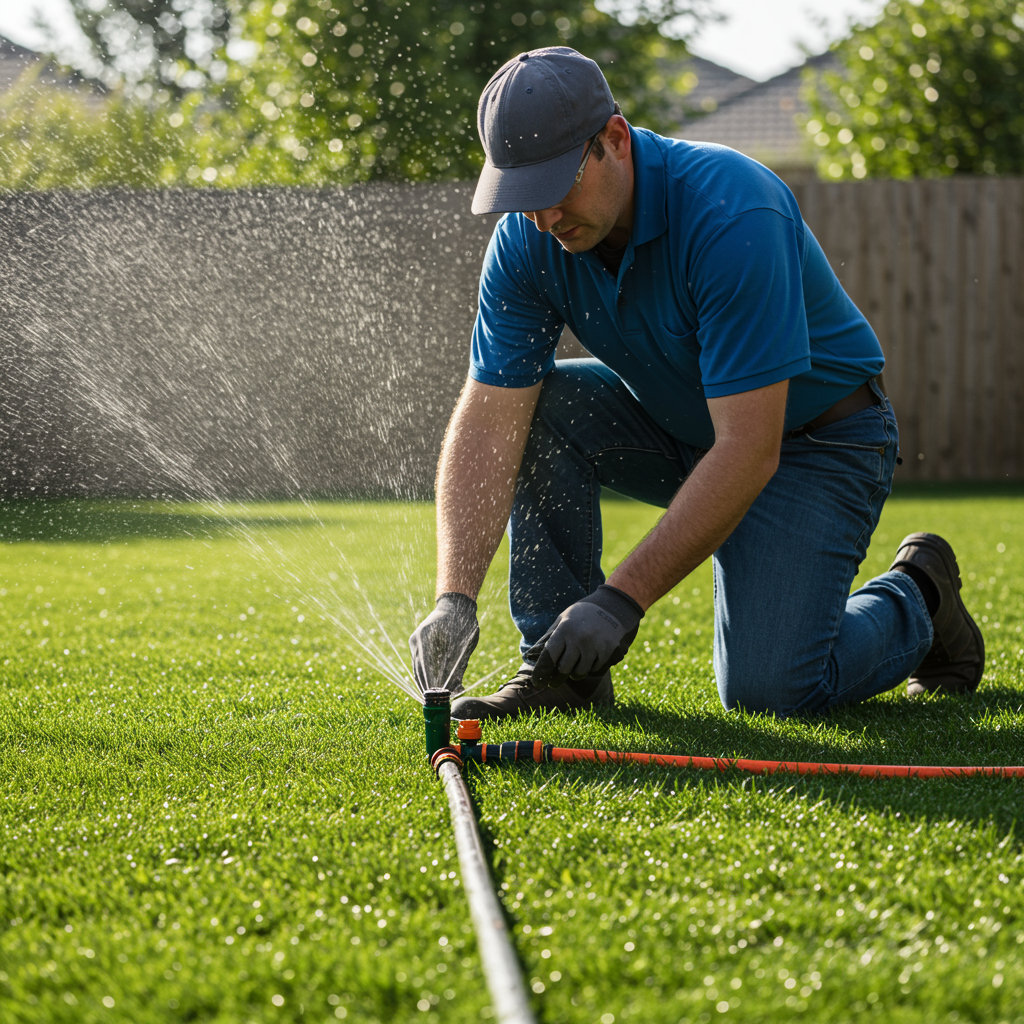
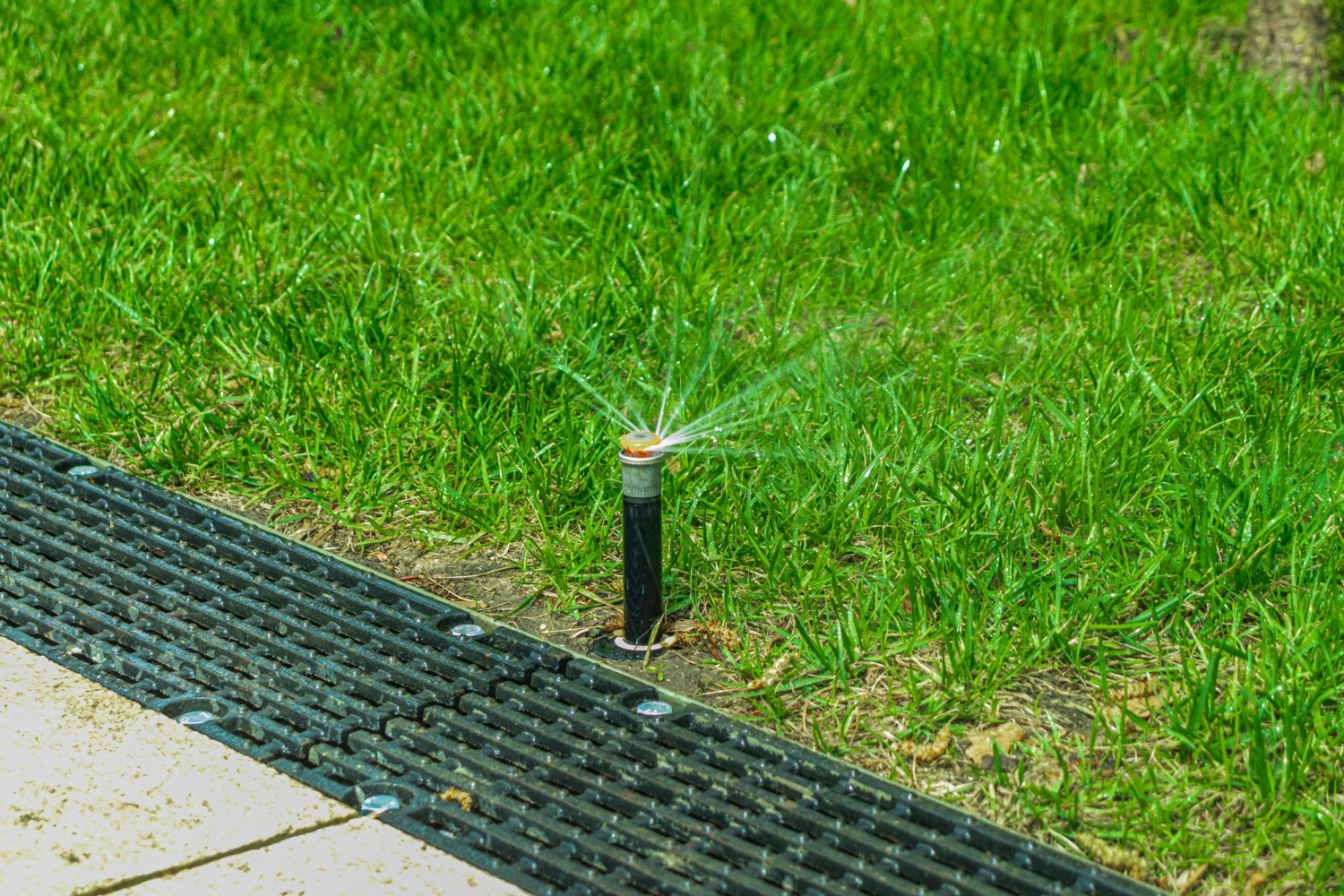
Individual spray and rotary nozzles sustain damage from lawn equipment, vehicle traffic, freeze events, and normal operational wear. Broken components create geysers wasting water while leaving surrounding areas under-irrigated. Our technicians stock common replacement parts enabling same-visit repairs for standard residential and commercial applications.
Service includes proper head alignment, arc adjustment, and precipitation rate verification ensuring uniform coverage across irrigated zones. Upgrade opportunities replace outdated fixed-spray nozzles with modern pressure-regulating models delivering superior efficiency and distribution uniformity.
Control valves regulate water flow to individual irrigation zones, with failures causing either continuous operation or complete zone inactivation. Internal diaphragm deterioration, solenoid malfunction, and debris accumulation represent frequent valve problems requiring service intervention. Our repair process disassembles valves for component inspection, cleaning, and selective part replacement restoring proper operation.
Situations involving severe corrosion or cracked bodies warrant complete valve replacement using quality components matching or exceeding original specifications. Service includes valve box cleaning, wiring verification, and flow testing confirming restoration of intended zone operation.
Electronic controllers manage irrigation scheduling with programming complexities occasionally confusing property owners and causing operational problems. Our technicians provide controller reprogramming establishing efficient watering schedules appropriate for plant types, soil conditions, and seasonal requirements.
Component failures including circuit board damage, display malfunctions, and power supply problems receive diagnostic evaluation determining repair feasibility versus replacement recommendations. Upgrade services transition properties from outdated mechanical timers to modern smart controllers offering weather-based adjustments and remote management capabilities reducing water consumption while improving landscape health.
Comprehensive problem resolution extends beyond visible component failures to encompass system-wide performance issues requiring systematic evaluation. Effective diagnosis identifies multiple contributing factors affecting irrigation efficiency and reliability. Our analytical approach combines field observation, technical measurements, and operational testing revealing underlying problems escaping superficial inspection.
Underground pipe breaks and fitting failures waste substantial water volumes while creating saturated soil zones damaging landscapes and building foundations. Surface indicators including unusual wet spots, unexplained water bills, and continuous meter activity suggest hidden leaks requiring professional location.
Our detection methods utilize acoustic listening equipment, pressure testing protocols, and tracer techniques pinpointing break locations without extensive excavation. Repair procedures expose damaged sections, replace compromised pipe segments, and verify system integrity through pressure testing before restoration of excavated areas.
Inadequate water delivery manifests through reduced spray distance, incomplete head rotation, and dry spots appearing across irrigated zones. Contributing factors include partially closed isolation valves, clogged filters, undersized piping, and excessive zone demands exceeding available flow capacity.
Our evaluation process measures static and dynamic pressure at various system points identifying restrictions and capacity limitations. Solutions range from simple valve adjustments through pipe replacement or zone reconfiguration correcting fundamental design deficiencies affecting performance.
Controller communication with field valves depends on intact wiring connections vulnerable to damage from landscape activities, rodent chewing, and moisture infiltration. Wire breaks, short circuits, and corroded connections prevent valve activation creating non-functional zones.
Our diagnostic approach utilizes multimeters and specialized testers tracing circuits from controllers to valves isolating fault locations. Repair work replaces damaged wire sections, improves splice waterproofing, and verifies proper circuit continuity and resistance values ensuring reliable valve operation.
Selecting qualified service providers determines whether irrigation problems receive lasting corrections or temporary fixes requiring repeated interventions. Our company maintains professional certifications, diagnostic equipment, and comprehensive parts inventory supporting efficient problem resolution. Technical expertise accumulated through thousands of service calls enables rapid diagnosis and effective repairs across diverse system types. Here are four factors that distinguish our repair service:
Our capabilities extend beyond repairs to include comprehensive irrigation and landscape solutions supporting complete property water management. These services often coordinate with repair work to deliver integrated system improvements. Here are the additional offerings available:
Texas Golden Irrigation operates across numerous municipalities in the area, bringing consistent repair quality and irrigation expertise to both urban and suburban properties. Our service radius encompasses the following communities:
Property owners experiencing watering system malfunctions should address problems promptly before minor issues escalate into expensive failures or landscape damage from inadequate irrigation. Our service process includes thorough system evaluation, detailed problem explanation, and professional repairs restoring reliable operation. Contact Texas Golden Irrigation at (972) 214-5860 to schedule your repair service and restore proper irrigation function today.
Rotation failures typically result from debris lodged in gear mechanisms, while pop-up problems stem from damaged risers, stuck seals, or inadequate water pressure. Internal component wear from age and mineral deposits also contribute to operational failures requiring cleaning or replacement for restoration.
Visual indicators include persistent wet spots, unusually lush growth areas, water surfacing between irrigation cycles, and unexplained increases in water bills. Meter testing with all fixtures off reveals continuous flow suggesting underground leaks. Professional detection services pinpoint exact break locations minimizing excavation extent.
Zone-specific failures typically indicate valve problems, wiring breaks between controllers and affected valves, or solenoid malfunctions. Controller programming errors or blown fuses occasionally cause similar symptoms. Diagnostic testing isolates whether problems originate at control equipment or field components.
Controllers exhibiting multiple simultaneous failures, outdated technology lacking water-saving features, or discontinued models with unavailable replacement parts warrant replacement over repair attempts. Single component failures in otherwise functional modern controllers typically justify repair when parts remain accessible.
Regular inspection identifies developing problems before causing complete failures, while seasonal adjustments optimize performance across weather variations. Annual professional service includes controller verification, valve cleaning, head adjustment, and system pressure testing. Winterization in freeze-prone areas prevents costly damage from ice expansion.
Simple component replacements including sprinkler heads and valve diaphragms often complete within one to two hours. Complex problems requiring leak detection, extensive excavation, or electrical troubleshooting may extend several hours or require follow-up visits for complete resolution depending on problem severity.