

4.9/5 Star Rated on Google
Texas Golden Irrigation delivers specialized linear drainage solutions for residential properties throughout the region. Our installation teams handle site assessment, channel placement, and grate selection to eliminate standing water from driveways, patios, and hardscape areas. Call (972) 214-5860 now to resolve your surface water management challenges.
Channel drains provide continuous water collection along hardscape surfaces where traditional point drains prove inadequate for high-volume runoff conditions. These trench-style systems capture sheet flow across wide areas and direct accumulated water toward designated discharge points.
Installation requires precise elevation control to maintain consistent slope throughout the channel length. Our crews excavate trenches, establish proper grade, pour concrete foundations, and secure channel sections before installing decorative grates matching surrounding surfaces.
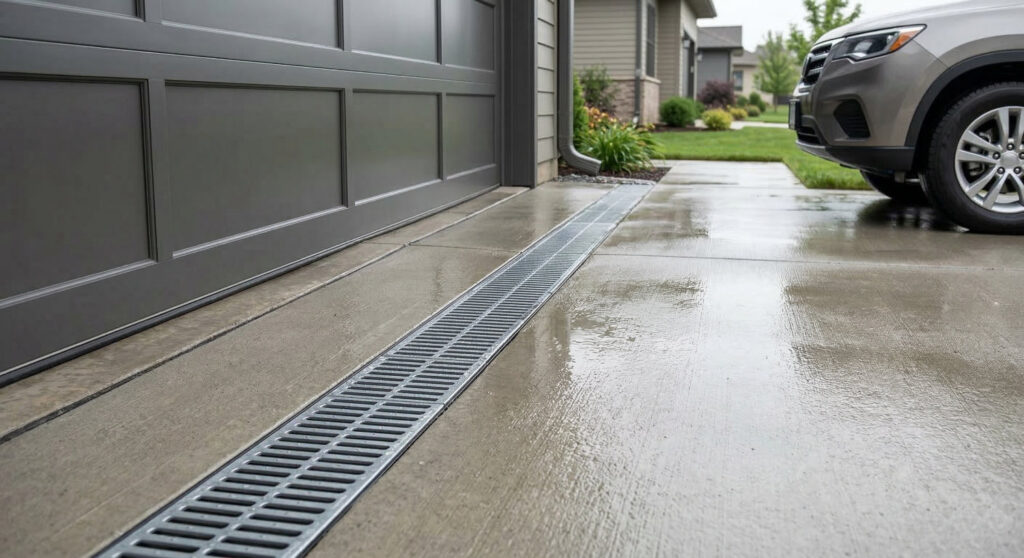
Residential driveways experience concentrated water flow from roof downspouts, adjacent yards, and pavement runoff during rainfall events. Channel drains positioned at garage entrances prevent water intrusion into structures while eliminating hazardous ice formation during winter months. System capacity calculations account for contributing drainage area, rainfall intensity, and discharge location constraints.
Installation coordinates with existing slopes to minimize grade modifications while achieving required flow velocities through the channel. Standard configurations utilize polymer concrete channels with steel or composite grates rated for vehicular traffic loads.
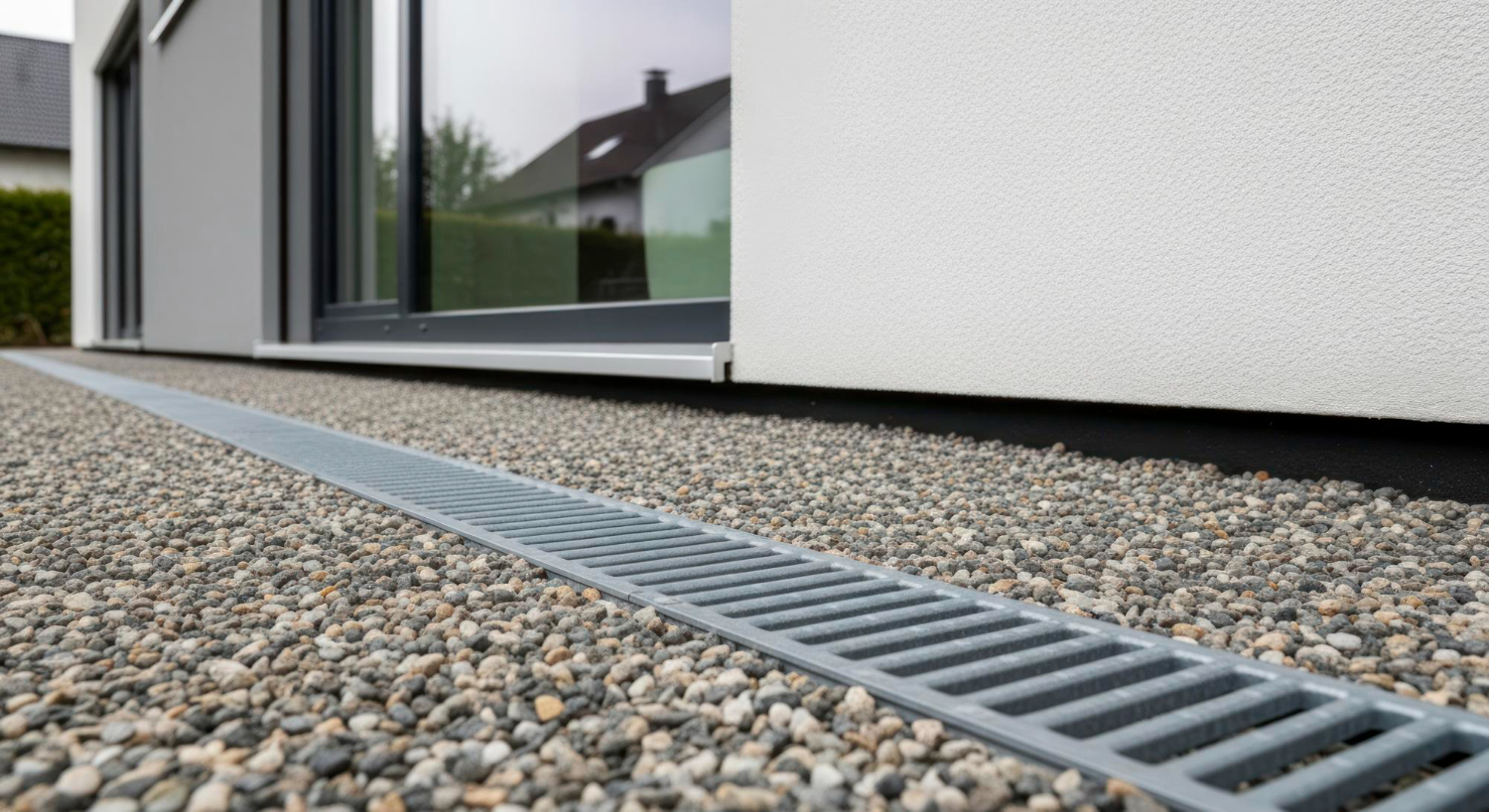
Outdoor living areas require effective water removal to prevent surface pooling that creates slipping hazards and accelerates material deterioration. Channel drains installed along building foundations intercept water before reaching sliding doors or affecting interior spaces. Pool deck applications position channels at deck perimeters to capture splash water and rainfall before reaching surrounding landscape areas.
Grate selection for these locations prioritizes bare-foot comfort while maintaining adequate open area for water entry. Slot-style grates provide clean aesthetic integration with contemporary hardscape designs.
Comprehensive drainage planning extends beyond product selection to encompass hydraulic calculations that verify adequate capacity for site-specific conditions. Proper design evaluates watershed characteristics, rainfall data, and discharge options to prevent system overload during peak flow events. Our approach documents existing topography, identifies problem areas, and develops solutions that integrate with overall site drainage infrastructure.
Determining appropriate channel dimensions requires calculation of expected flow rates based on contributing area, surface characteristics, and design storm parameters. Regional rainfall intensity data establishes peak flow conditions that systems must accommodate without surcharging. Channel width, depth, and slope combine to provide conveyance capacity matching anticipated volumes.
Undersized systems fail to capture runoff effectively, while oversized installations increase project costs unnecessarily. Our analysis tools model various configurations to optimize performance against budget constraints.
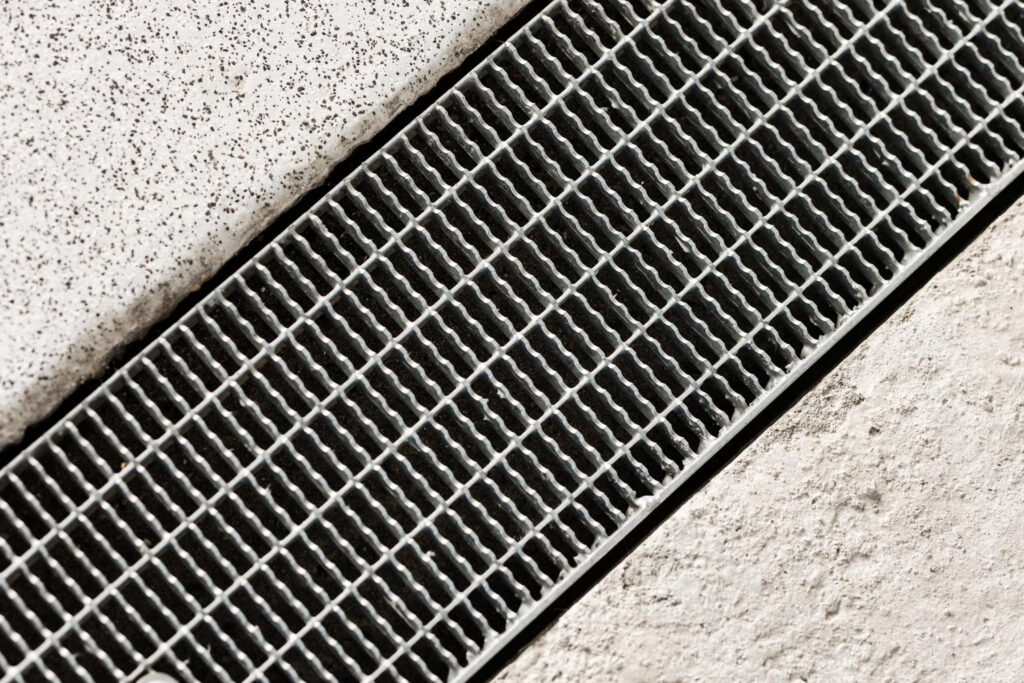
Channel covers serve functional and aesthetic purposes requiring careful specification for each application. Load class ratings ensure grates withstand expected traffic types, from pedestrian use through heavy vehicle loads. Open area percentages affect both water entry capacity and debris passage that influences maintenance requirements.
Material choices include galvanized steel, stainless steel, polymer composites, and ductile iron, each offering distinct advantages for specific environments. Heel-proof designs prevent accidents in pedestrian areas while maintaining adequate drainage performance.
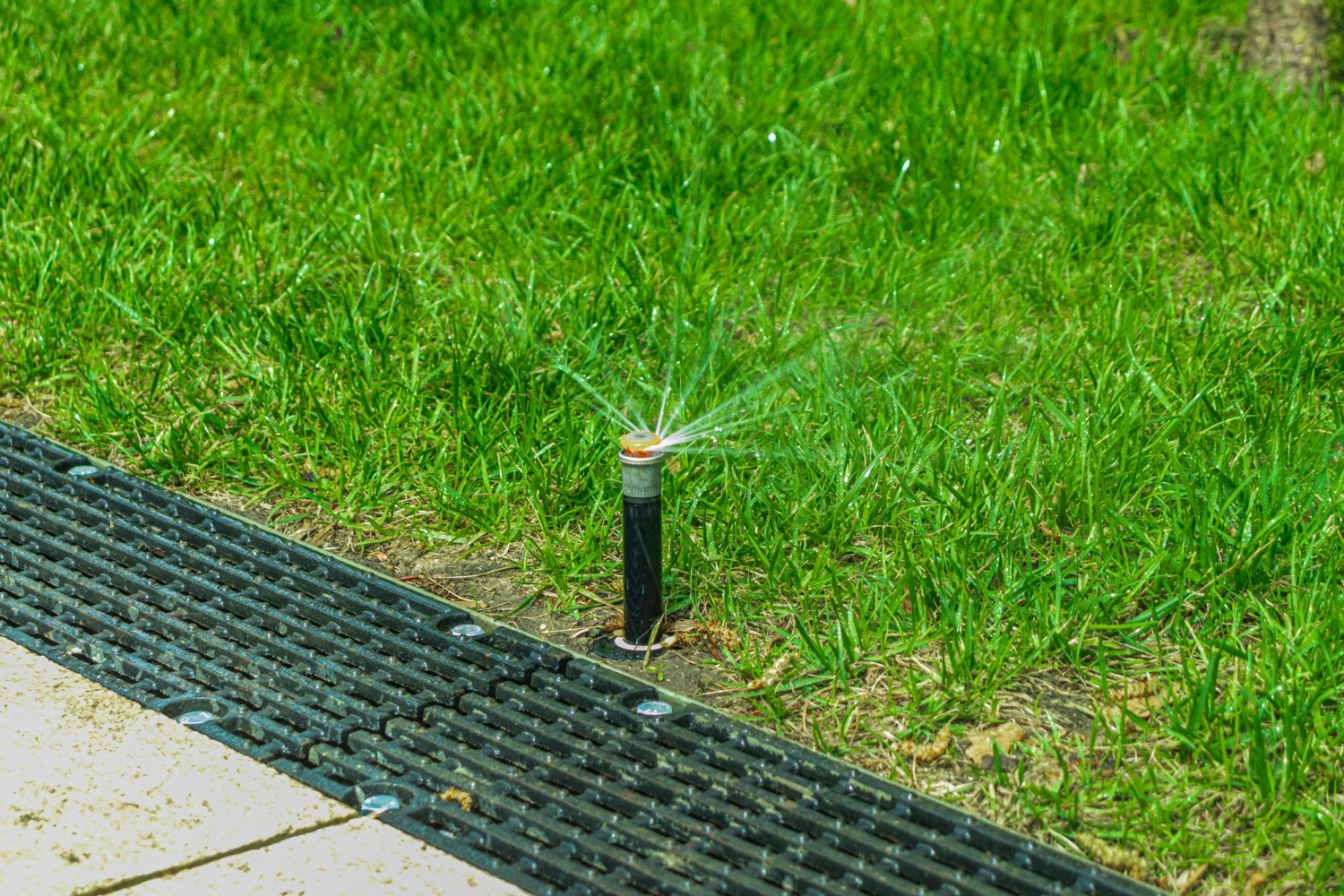
Effective channel drain systems terminate at appropriate discharge locations capable of handling collected volumes without creating secondary drainage problems. Connection methods include direct ties to storm sewer systems, surface discharge to vegetated areas, or interface with underground retention structures.
Outlet configurations require rodent guards, erosion protection, and accessibility for maintenance operations. Our planning process verifies discharge point capacity and secures any necessary easements or permits for off-site connections.
Selecting experienced contractors determines whether linear drainage systems function as intended or require costly modifications after initial installation. Our company brings specialized equipment, technical expertise, and quality materials to every project. Installation precision prevents common failures including improper slope, inadequate capacity, and premature grate deterioration. Here are four factors that distinguish our approach:
Our installation capabilities extend beyond channel drains to include comprehensive water management solutions that protect property investments and enhance outdoor functionality. These services often coordinate with drainage projects to deliver integrated systems. Here are the additional offerings available:
Texas Golden Irrigation operates across numerous municipalities in the area, bringing consistent installation quality and drainage expertise to both urban and suburban properties. Our service radius encompasses the following communities:
Property owners struggling with standing water across driveways, patios, or hardscape areas should evaluate linear drainage systems as effective solutions for surface water management. Our consultation process includes site evaluation, capacity calculations, and detailed proposals outlining installation scope and project timelines. Contact Texas Golden Irrigation at (972) 214-5860 to arrange your property assessment and eliminate drainage problems today.
Individual channel drain runs typically extend 50 to 100 feet before requiring outlets or intermediate connections to maintain adequate flow velocity. Longer installations utilize multiple discharge points or larger channel sizes to prevent capacity constraints during heavy rainfall.
Standard residential installations excavate 8 to 12 inches below finished grade to accommodate channel depth, concrete bedding, and aggregate base requirements.
Retrofit installations involve sawcutting existing concrete or pavers to create trenches for channel placement. Success depends on sufficient material thickness, adequate slope availability, and viable discharge locations. Some situations require partial hardscape reconstruction to achieve proper drainage function.
Regular debris removal from grate openings and periodic flushing of channel interiors prevents blockages that reduce drainage capacity. Frequency depends on surrounding vegetation, sediment sources, and seasonal leaf accumulation. Most residential installations require cleaning quarterly or following major storm events.
Metal grates conduct heat away from channels, potentially causing ice accumulation that blocks water entry. Proper installation includes provisions for winter drainage through secondary systems or strategic channel placement that minimizes freeze exposure in critical areas.